Deel, Remote and Papaya Global offer different alternatives to Multiplier: broader workforce administration, another employment-delivery model, or payroll and payment coordination. The right shortlist depends on the work that is missing from your current arrangement. This guide first examines whether a different Multiplier tier could resolve the issue, then compares the alternatives by service scope, billing commitment and operational responsibilities. It also covers country support and the transfer work needed before a switch can deliver a practical improvement.
Ask your team to write down the work currently missing. ‘We need better reporting’ is too broad. ‘Finance needs approved payroll allocated to these cost centres without rekeying it’ gives both Multiplier and a competitor something concrete to answer.
If the issue concerns an employee’s local service or contract, ask which country team can resolve it, what will change and when.
A shortlist based on the gap you need to close
Our provider ratings reflect our recommendation order for providers overall. “Not rated” means we haven’t published a rating for that provider.
OptionProviderBest ForEOR fee from
Option 1
★★★★★4.7
Best For: Paying employees and contractors on one platform
These are candidates rather than a numbered ranking. Start with two that address the actual problem; add another only if the first proposals leave a material requirement unresolved.
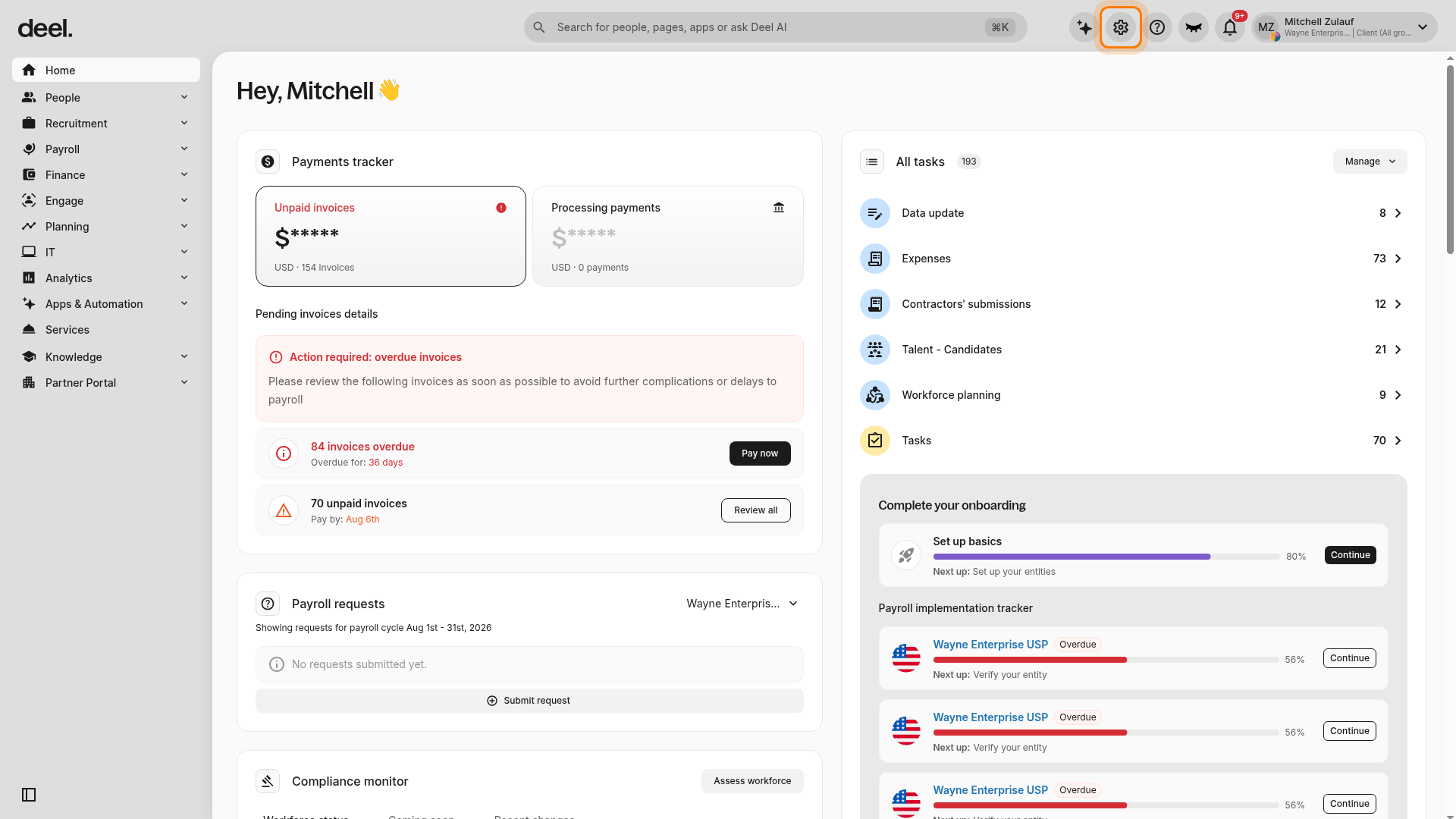
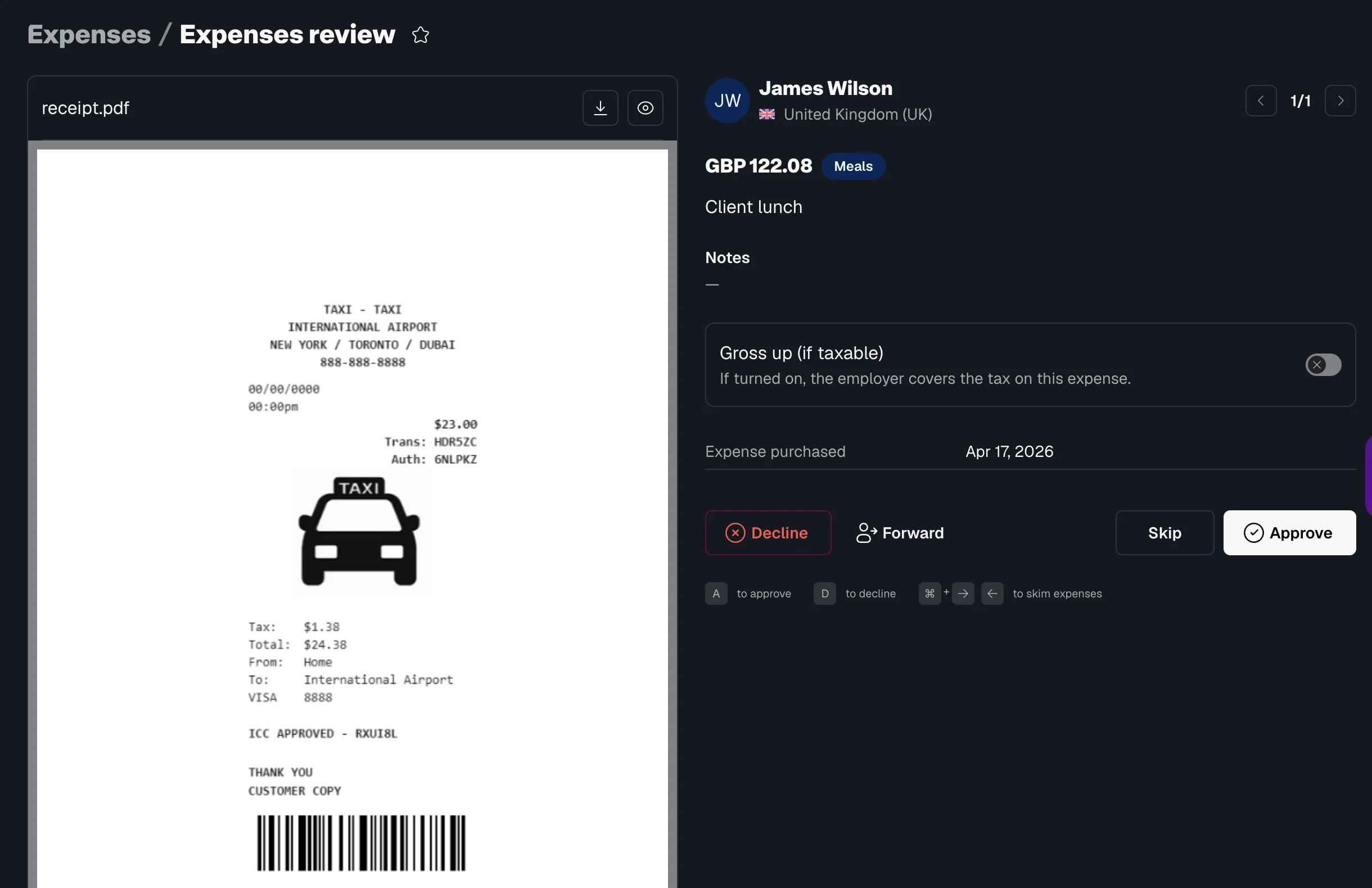
Deel: trace the work from payroll input to finance
Keep EOR and owned-entity payroll separate in the brief. Ask the team to demonstrate a salary change, a bonus approval and the resulting finance records for the products you would buy. Confirm whether the required output is an invoice, a payroll journal or another report, and how corrections reach the destination system.
Ask both providers to complete the same payroll task. Confirm the paid scope, implementation owner and acceptance checks in the proposal.
Multiplier vs Remote: fees, integrations and commitments
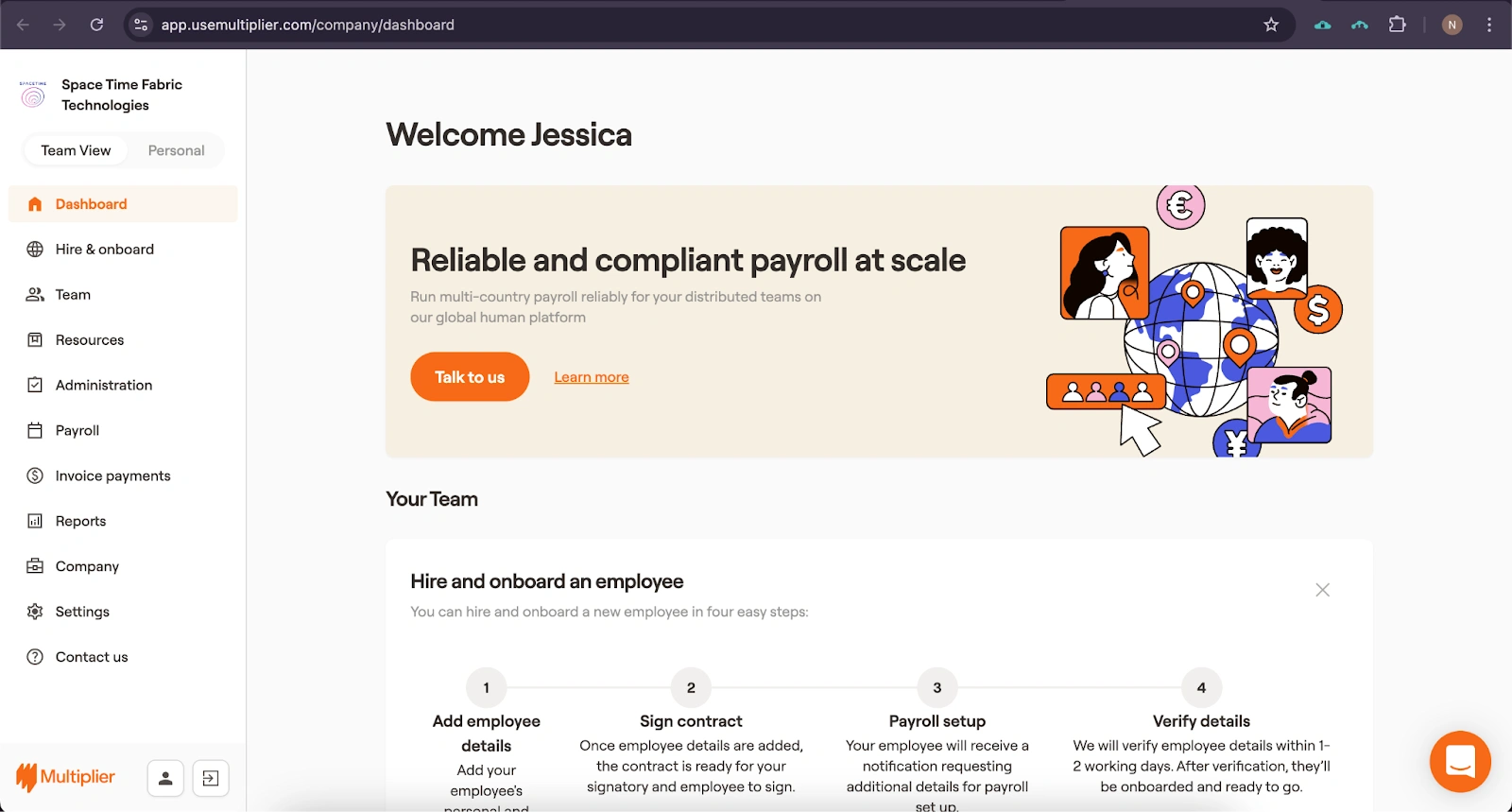
Multiplier’s Core plan includes payroll, attendance, leave and standard workforce reports; Growth adds HR and finance integrations, custom reports and open APIs. With monthly billing, Core starts at $499 and Growth at $559 per employee; Multiplier does not specify the dollar currency. Remote’s standard monthly EOR fee is USD 699 per employee and includes its platform without a separate base fee. The table below compares the annual options.
Remote’s BambooHR connection is free for customers of both services. It sends selected employee data from BambooHR to Remote hourly; EOR salary and job-title changes require configured contract-amendment requests. Compare the fields, approval steps and handling of failed changes with the Multiplier tier you would buy.
Multiplier may add implementation and compliance-mandated charges; its EOR terms also require payment-processing fees. Purchased seats generally remain payable for the agreed term even when unused, subject to contract exceptions. Remote offers monthly usage-based pricing and committed Order Forms. It has no setup or onboarding fee, although a refundable reserve can apply. Add salary, employer costs, benefits and required extras to the service fee; show deposits and advance funding separately.
Both EOR proposals need to cover the actual country, role and employing entity. If your own company will employ the staff, request a Global Payroll quote instead.
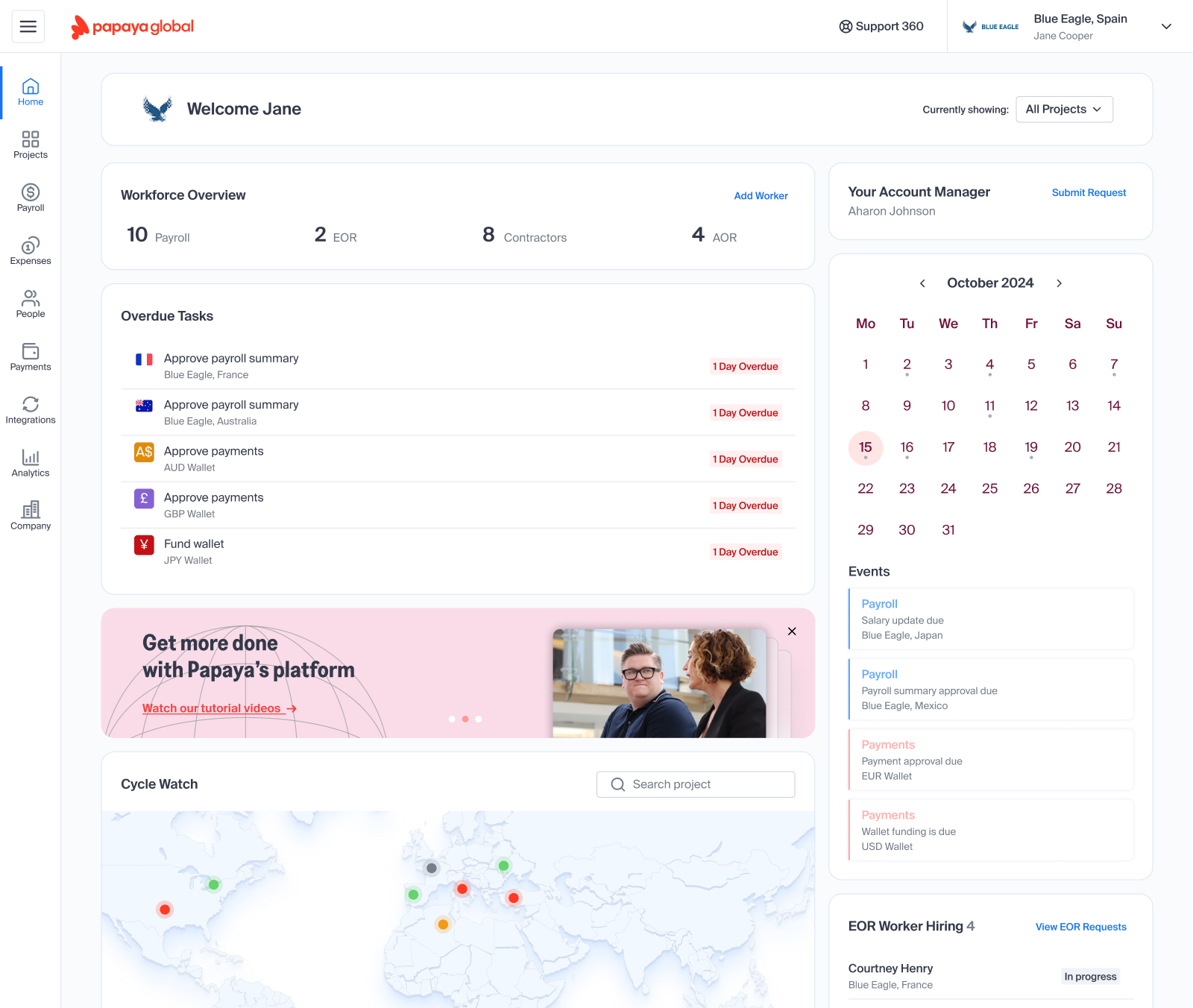
Papaya Global: investigate the payment and reconciliation layer
Ask Papaya to show a complete exception: a payroll input changes after approval, or a payment needs correction. Identify who can make the change, who approves it and what finance sees afterwards. Require the normal process as well as the exception path in the proposal.
For a single EOR hire, compare the EOR-only proposal before adding payment services. The Papaya Global review explains which services are sold separately.
Put monthly and annual commitments on equal terms
EOR service fees per employee/month. Currency and billing commitments are shown for each offer. Multiplier does not identify its dollar currency; Remote’s annual offer also needs currency confirmation.
OptionProviderBest ForEOR fee from
Option 1
★★★★★4.1
Best For: Managing payroll, leave and expenses in one placeAnnual basis or quote issue: $459 with annual billing
Best For: Hiring through provider-owned entities in every countryAnnual basis or quote issue: From $599 per employee/month with an annual contract. Confirm the dollar currency and whether invoices are monthly or annual.
Best For: Comparing payroll costs across countries in one reportAnnual basis or quote issue: Confirm billing commitment and included EOR charges in the country quote
Multiplier’s annual figures are monthly equivalents billed annually; its monthly plan has a different price. Confirm its dollar currency before comparing with USD offers. For every provider, confirm the term, headcount minimum, invoice schedule and country price.
Multiplier’s page also flags applicable implementation and mandated add-ons. Ask for the amounts. With every provider, add salary, statutory employer costs, benefits, FX and required extras; Deel’s Employer Liability Cost is an additional mandatory item.
Run your own headcount forecast against the proposed commitment. In a hypothetical project that might end after eight months, ask each provider what is still payable if hiring stops then. Record deposits and pre-funding separately from expense. Use our quote checklist to keep the comparison consistent.
For Papaya Global, EOR starts at $499 per employee per month; obtain a quote for the proposed country and role that names the billing commitment and additional charges.
Test country support against the actual hire
Ask every candidate to accept the actual role, employee and arrangement. Confirm the provider can support the worksite, benefits, immigration needs and start date in your brief. Do not assume a regional advantage from a company’s headquarters.
Then test the support arrangement with one realistic question. For example, who resolves a payroll correction after the normal cutoff? Ask who owns the case, who speaks to the employee, what you need to supply and whether additional fees apply. Keep a written answer with the proposal.
Where a problem crosses employment, payroll and your internal HR team, specify the handover. The reason to switch should be a clearer or better service arrangement.
When to stay or switch
Keep Multiplier in contention if the required tier, a corrected process or a written escalation arrangement solves the issue at an acceptable cost. Changing provider is more compelling when the gap remains material and a replacement has demonstrated how it will close it.
Before transferring employees to a new EOR, have qualified local specialists confirm the route and the treatment of employment terms, benefits, service history, leave and any work authorization. Agree final balances and historical-record access with the old provider, then validate employee inputs, funding deadlines and the first payroll with the new one.
Do not give notice on the assumption that an advertised onboarding time guarantees an employee can move by that date. Use the agreed country timetable and your signed commercial terms. Return to all EOR alternatives for another comparison starting point.
Evidence and disclosure
The linked public sources were checked on 3 October 2026. Our assessment draws on our hands-on tests of each provider. Provider descriptions are attributed; candidate selection and proposed checks are editorial judgments. We may earn referral fees through introductions or links.