TheBestEOR

Best Employer of Record in the Czech Republic

Written by Martynas PupkeviciusFact-checked by Michael Ennis
Picture of Martynas Pupkevicius
Martynas Pupkevicius

EOR Advisor and Remote Work Editor

Our top employer of record in the Czech Republic for 2026 is RemotePeople, from USD 499 per employee a month, ahead of Deel and Rippling.

We tested all 10 providers with paid client accounts, real quotes and a live hire run through payroll. Employers in the Czech Republic pay their share of social and health insurance on top of salary, with higher contributions for certain hazardous jobs.

Flag of the Czech Republic

Hiring in the Czech Republic at a glance

Currency
CZK
Czech koruna
Pay cycle
Monthly
For the previous month, April’s salary paid in May
Working hours
40 hours
38.75 on 2 shifts, 37.5 on 3 shifts or continuous
Annual leave
4 weeks
Private sector minimum, counted in hours
Extra pay
Per contract
Overtime, night and weekend work can need extra pay
Employer costs
33.8% of gross
24.8% social + 9% health insurance. Higher for some hazardous jobs
Before you hire:
Confirm registration before the employee starts and that their shift pattern uses the right weekly limit.

Country hiring overview · Czech Republic

Hiring in the Czech Republic at a glance

Compare the local contract and the complete payroll budget.

If you’re moving a Czech contractor into employment, I’d compare the new employment terms, costs and start-date milestones together. That gives you a clearer basis for assessing what each EOR will actually provide.

Choose a hiring solution

Need a local employer?

Compare an EOR arrangement for your role before opening your own entity.

Already have a local employer?

Compare payroll and HR support against adding an EOR.

EOR service fee

Fees vary by provider.

Your quote should state the currency, fee per employee, minimum charge and billing commitment.

Onboarding

Paperwork affects the start date.

The contract, right-to-work checks, registrations and payroll deadlines all affect when employment can begin.

Employment costs

Include social and health costs.

Ask for the employer’s social and health contributions to be calculated for the proposed salary. The quote should also show the cost of agreed benefits.

Annual leave

Leave starts at four weeks.

Private-sector employees generally receive at least 4 weeks of annual leave. Certain roles and sectors have longer entitlements, so the applicable allowance may be higher.

Check before choosing

Get the named employer, contract type, contribution calculation, leave in hours and any contractor-to-employee handover steps in writing.

What your quote should include

Employment costs and service fees

1
Gross salary and agreed pay schedule
2
Social and health contributions plus agreed benefits
3
EOR fee: currency, per-employee billing, minimums and commitment
4
Setup, foreign exchange, extras and exit costs

Deposits and payroll funding

1
Amount and payment deadline
2
Whether funds are refundable or credited to payroll
3
Release conditions and refund timing
Show these separately from recurring expenses.

Key takeaways for hiring in the Czech Republic

Register before work begins

Make registration a pre-start milestone. Since 1 July 2026, new employees must be entered in the ČSSZ employee register before they begin work.

Establish the staffing model

Ask which staffing model supports the arrangement. Where agency employment applies, the provider needs the relevant permission.

Compare working terms

Agency arrangements require comparable working and pay conditions, so the client must supply the information used to set those terms.

Budget home-working expenses

Include home-working expenses in the offer. The official 2026 flat-rate amount is CZK 4.70 per hour when that reimbursement method is adopted.

Separate assignment and employment

Keep employment termination separate from ending an assignment: in agency employment the legal employer, rather than the client, takes employment-law steps.

Quick verdict

What is the best EOR in the Czech Republic?

My top three: Deel, RemotePeople and Rippling.

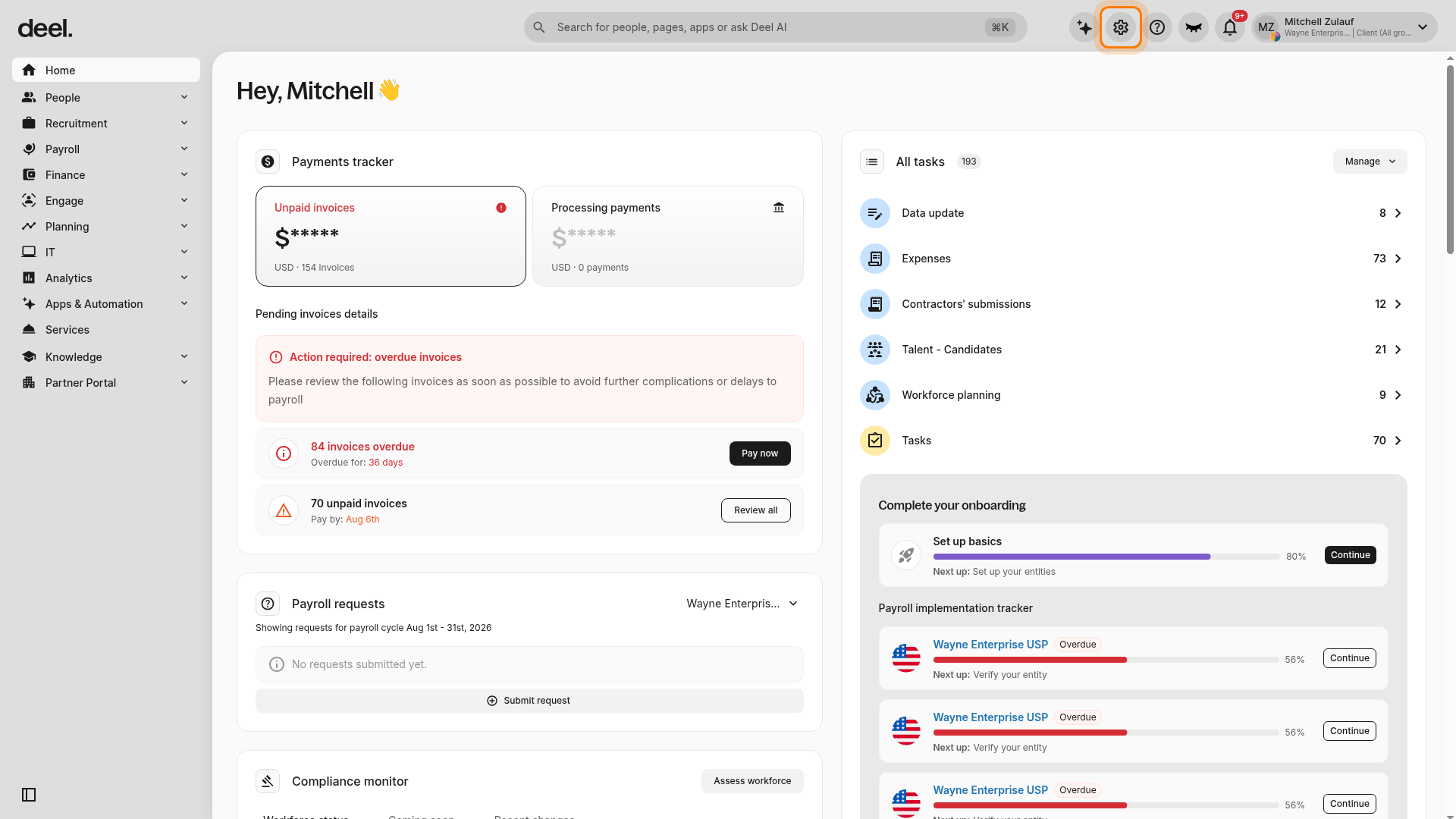
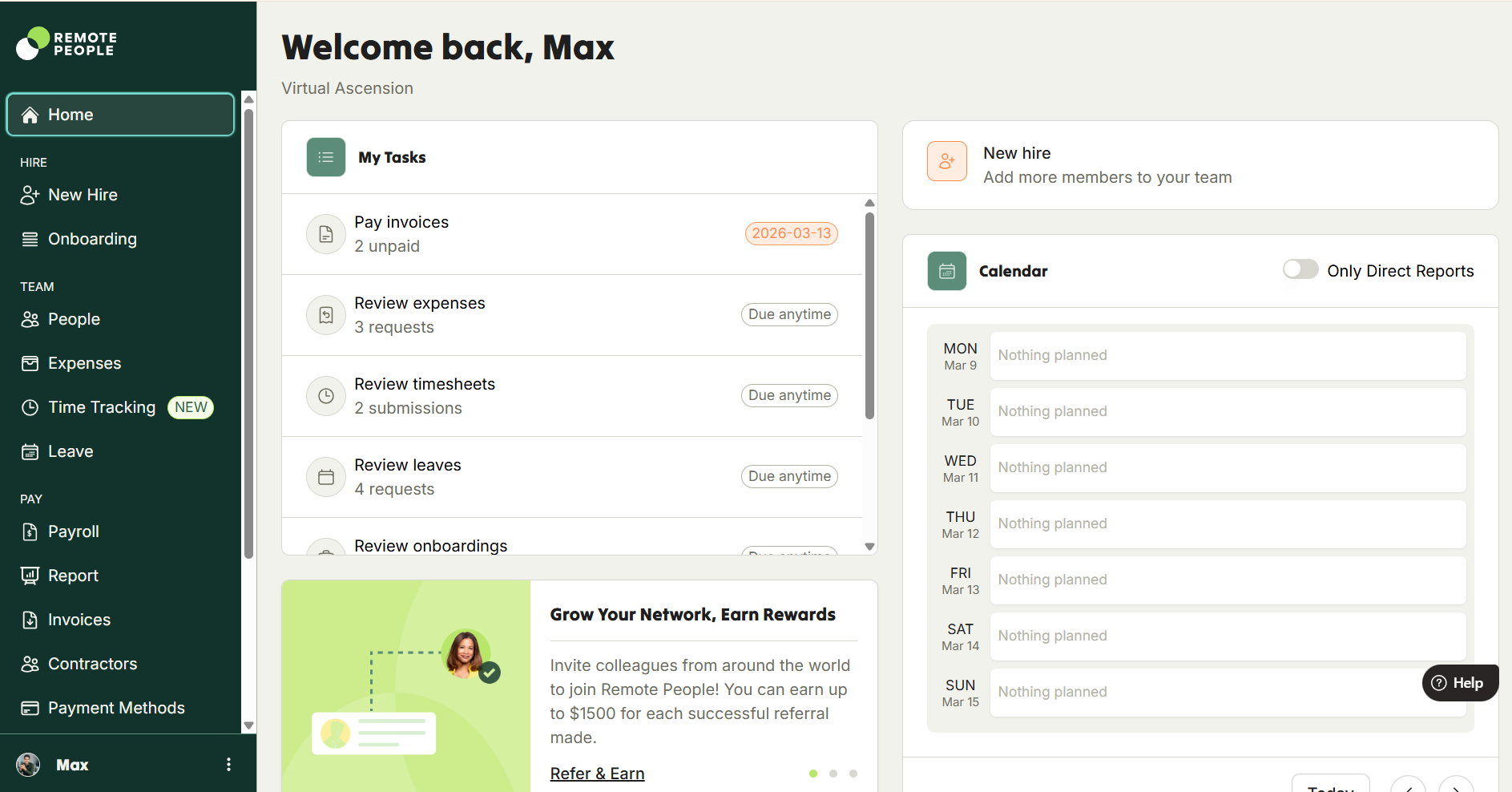
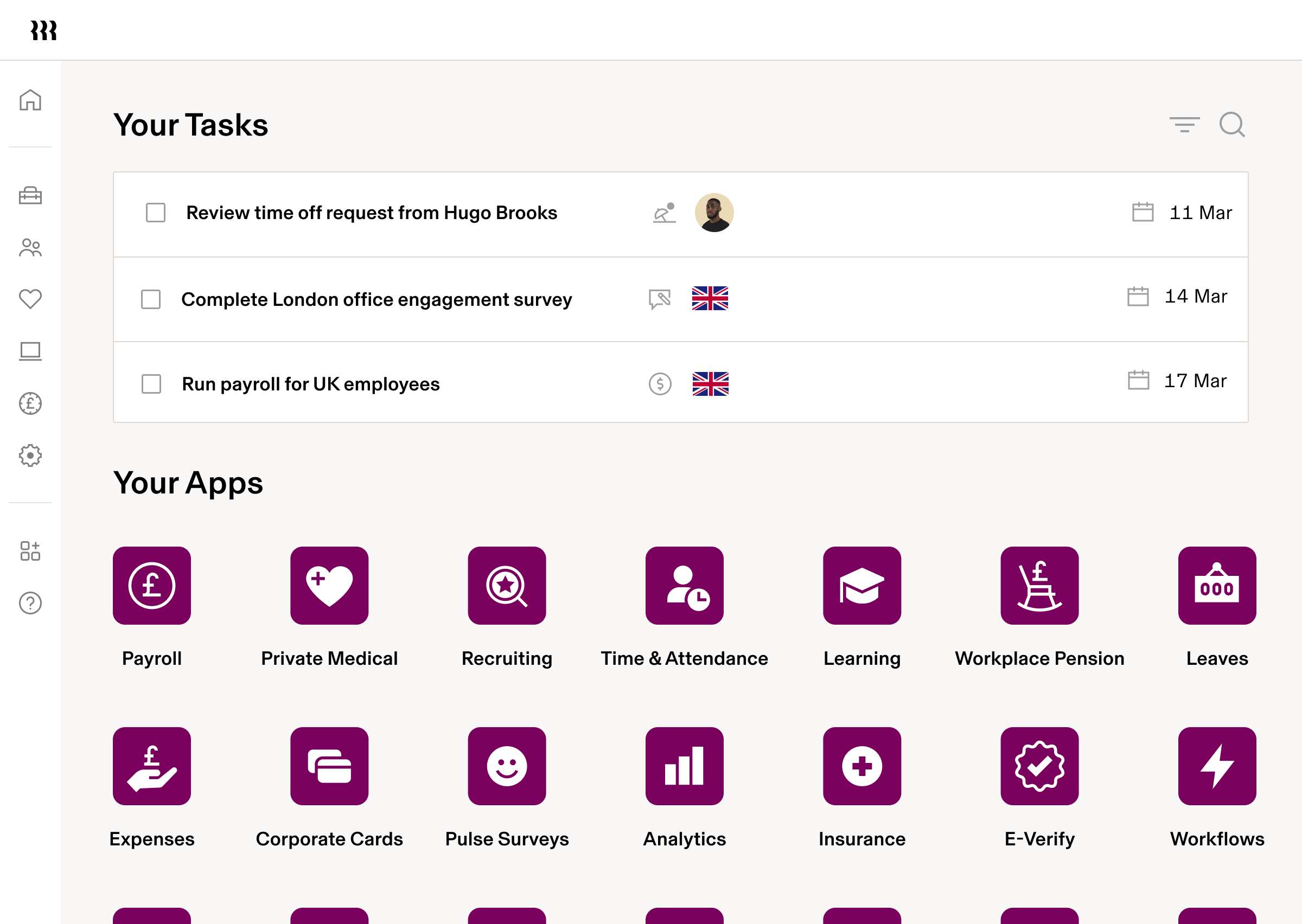
For a hire in the Czech Republic, I’d shortlist RemotePeople first. It offers recruitment and EOR through one provider, with a dedicated account manager on both EOR plans, and its EOR Global plan starts at USD 499 per employee per month, or USD 199 on EOR Select where the hire qualifies. Deel, from USD 599 plus a mandatory Employer Liability Cost, fits when the Czech Republic is one part of a wider employee and contractor programme. Rippling, from USD 499 plus its required platform, fits a team that already runs HR or IT on Rippling.

Ask for the written contract, a complete quote and a confirmed start date; the global starting prices below are not Czech-specific quotes.

1
Deel logo

4.7/5

Deel

Paying employees and contractors on one platform

Starting fee
$599

per employee / month

Countries
130+
where you can hire

Plus a mandatory Employer Liability Cost.

Deposit
1–1.5 months

of gross salary

Deposit refund
Within 60 days

of offboarding

Why consider it

EOR, contractor management and payroll for your own entities.

Month-to-month EOR service pricing available.

Check the fit

Ask for the country-specific Employer Liability Cost in your quote; it is mandatory.

Before signing: Confirm the Employer Liability Cost amount, benefit costs and any additional products. Monthly service terms do not remove employment notice, severance or other exit obligations.

The EOR pricing page lists 130+ countries. Broader platform coverage figures may include other services.

Visit Deel ↗

2
Editorial pick
RemotePeople logo

4.9/5

RemotePeople

Hiring in new markets with local HR support

Starting fee
$499

per employee / month

Countries
150+
where you can hire

EOR Select from $199 for eligible hires.

Deposit
1 month

of gross salary

Deposit refund
Within 5 days

of the final payment

Why consider it

Recruitment and EOR services through one provider.

Dedicated account manager in both EOR plans.

Check the fit

Recruitment is separately priced.

Before signing: Confirm quote currency, billing commitment, deposits, funding deadlines and refund terms. EOR Select eligibility depends on the hiring country and employee salary.

Both EOR plans list local contracts, payroll and tax administration, and statutory benefits administration. Salary, employer contributions and benefit costs are separate.

Visit RemotePeople ↗

3
Rippling logo

4.5/5

Rippling

Setting up payroll, laptops and app access for new hires

Starting fee
$499

per employee / month

Countries
115
where you can hire

Plus the Rippling Platform, from $8 per employee / month.

Deposit
Per quote

based on gross salary

Deposit refund
Per contract

set in your agreement

Why consider it

EOR, payroll, HR records and benefits administration in one platform.

Shared workflows and reporting for domestic and international teams.

Check the fit

Ask for an itemised quote showing the required platform and each HR or IT module.

A paid Rippling Platform subscription is required on top of the EOR fee, from $8 per employee per month plus a monthly base fee. Rippling EOR starts at $499 per employee per month. Other HR and IT products are priced separately.

Rippling’s EOR page lists 115 countries. Confirm your hiring country and legal employer.

Visit Rippling ↗

No provider pays for a position on this page; some outbound links pay a referral fee. See the funding model and methodology.

Entity and permit, side by side

All 10 EOR providers for the Czech Republic, side by side

Which Czech employer signs the contract?

The entity matters more than the price: whoever’s s.r.o. signs the pracovni smlouva files the CSSZ registrations, and only that company can sponsor an employee card for a non-EU hire. Fees are 2026 list prices per employee per month.

The ten are sorted by whose s.r.o. signs the pracovni smlouva with your hire, and at what fee. For the order across all markets, see the ranking of the best employer of record services worldwide. For a wider shortlist, browse EOR providers for the Czech Republic.

Provider

Best For

Starting feeDepositOnboarding
1 Deel logo Deel 4.7/5 Rating Paying employees and contractors on one platform Starting fee: $599 USD / monthDeposit: 1–1.5 monthsOnboarding: 2–5 days

My take

I’d consider Deel for a contractor conversion if you want to manage the transition in its platform.

It requires a new EOR quote, review and employee onboarding, with a contractor release agreement as part of the workflow. The existing contractor service is priced separately from EOR employment.

Deel’s global EOR service starts at USD 599 per employee per month, with month-to-month pricing available. Mandatory Employer Liability Cost is charged separately and varies by country. Salary, employer contributions, benefits and any additional services sit outside the starting service fee.

Fit check for Deel, RemotePeople, G-P and Papaya Global

For a Czech hire, I’d ask the proposal to identify the employment structure and any agency permission it relies on. Choose the offer that explains the comparable working terms and the information your company must provide.

Deposit

1–1.5 months

Entity model

Own entities and partners

First year, one hire

$7,188 in service fees

Reviewed by Martynas PupkeviciusFact-checked by Michael Ennis

Starting fee

$599

Month-to-month billing. Mandatory Employer Liability Cost is charged separately.

Against the 10 starting fees

$199 lowest$699 highest
2 RemotePeople logo RemotePeople 4.9/5 Rating Hiring in new markets with local HR support Starting fee: $499 USD / monthDeposit: 1 monthOnboarding: 2–5 days

My take

I’d compare RemotePeople’s two plans on eligibility and cost, since both include employment contracts, payroll and tax administration, statutory benefits administration, a dedicated account manager and ongoing employment support.

EOR Global starts at USD 499 per employee per month. EOR Select starts at USD 199 for eligible countries and employee salary ranges. Salary, employer contributions and benefits are separate; the proposal sets the applicable plan, billing commitment, deposit and payroll funding terms.

Deposit

1 month

Entity model

Own entities in core markets

First year, one hire

$5,988 in service fees

Reviewed by Martynas PupkeviciusFact-checked by Michael Ennis

Starting fee

$499

EOR Global. EOR Select starts at $199 where the country and employee salary qualify.

Against the 10 starting fees

$199 lowest$699 highest
3 Rippling logo Rippling 4.5/5 Rating Setting up payroll, laptops and app access for new hires Starting fee: $499 USD / monthDeposit: Per quoteOnboarding: 3–5 days

My take

Rippling interests me when you want EOR employees to share HR records and workforce reporting with the rest of the organisation.

App access and device management are separate products.

Rippling EOR starts at USD 499 per employee per month, plus the required Rippling Platform from USD 8 per employee per month plus a monthly base fee. Billing commitment and optional HR or IT modules are quote-specific.

Fit check for Rippling, Oyster and Borderless AI

For a remote employee, I’d use the demonstration to follow home-working hours into the agreed reimbursement method and payroll. Choose the proposal that makes the expense policy clear before the offer is signed.

Deposit

Per quote

Entity model

Own entities and local partners

First year, one hire

$5,988 in EOR fees

Reviewed by Martynas PupkeviciusFact-checked by Michael Ennis

Starting fee

$499

Plus the required Rippling Platform, from $8 per employee per month and a monthly base fee. Confirm the billing terms and selected products.

Against the 10 starting fees

$199 lowest$699 highest
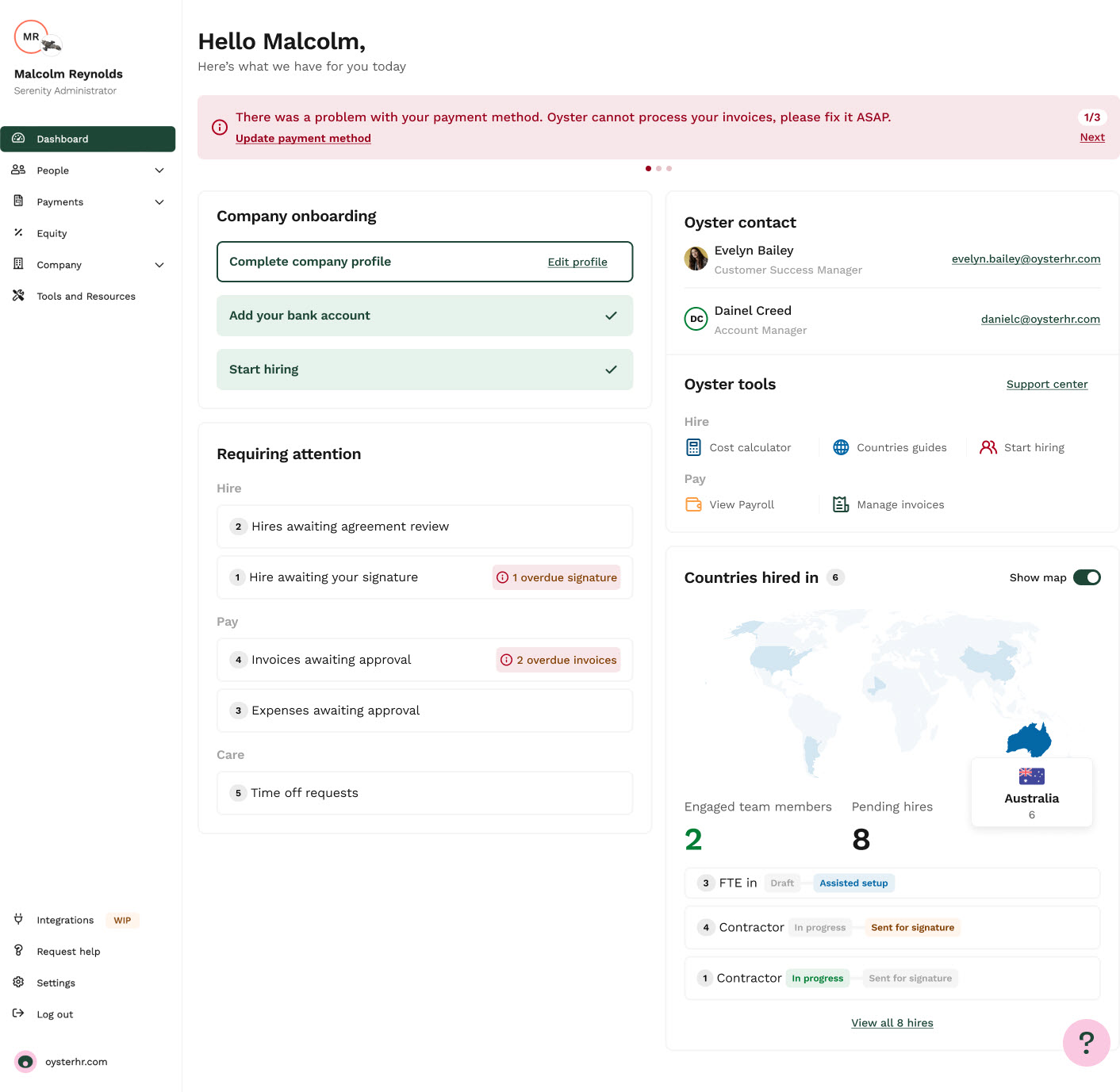
4 Oyster logo Oyster 4.5/5 Rating Using one onboarding process for hires across countries Starting fee: $699 USD / monthDeposit: ~1 monthOnboarding: 5–7 days

My take

For a Czech hire, I’d check which Oyster onboarding steps need manual support.

Its virtual hiring assistant is available. Automated Team Member onboarding, automated agreements and electronic signature are unavailable in its automated Global Hiring workflow.

Oyster’s month-to-month EOR rate is USD 699 per employee per month. Annual seats are quoted separately. Standard annual billing is prepaid and non-refundable; quarterly or semiannual payment is available at a higher seat price. A seat can be reused for a replacement hire. Salary, employer costs, deposits and optional services are additional.

Deposit

~1 month

Entity model

Own entities and vetted partners

First year, one hire

$8,388 in service fees

Reviewed by Martynas PupkeviciusFact-checked by Michael Ennis

Starting fee

$699

Monthly billing. Annual seats are quoted separately, prepaid and non-refundable.

Against the 10 starting fees

$199 lowest$699 highest
5 Pebl logo Pebl 4.2/5 Rating Hiring people who need visa or relocation support Starting fee: $399 USD / monthDeposit: Per quoteOnboarding: 2–5 days

My take

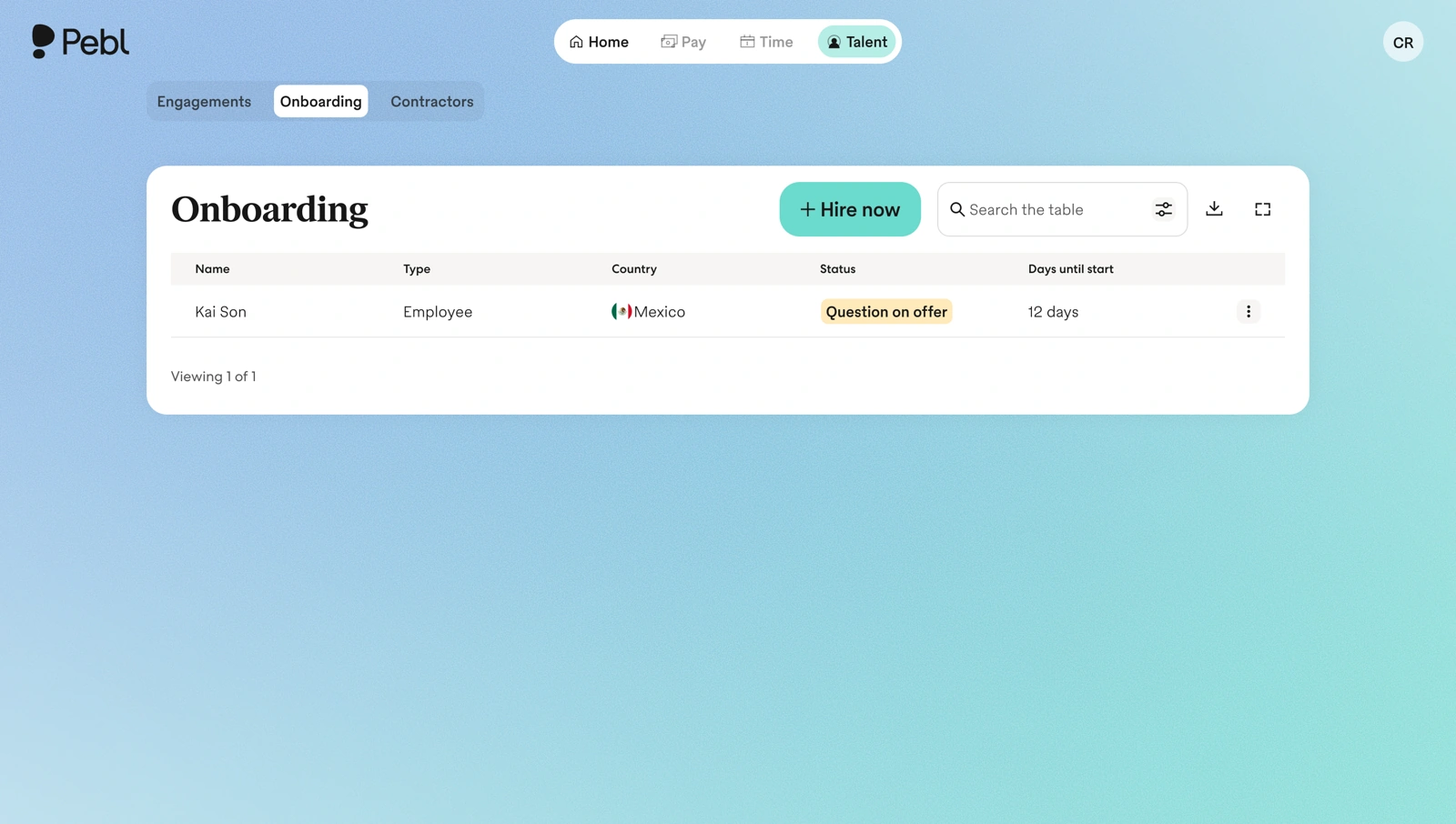
I’d look at Pebl, formerly Velocity Global, if you want payroll and benefits administration together with employment support.

Immigration support and supplementary benefits are available as additional services.

Pebl lists an EOR fee of $399 per employee per month, but the general price does not specify the dollar currency or billing commitment. The country proposal determines availability, any offer period and renewal terms; salary, employer costs and additional services are separate.

Fit check for Pebl, Multiplier and RemoFirst

Ask for the pre-start ČSSZ registration milestone separately from commercial onboarding and any immigration steps.

Deposit

Per quote

Entity model

Affiliates and local partners

First year, one hire

$4,788 in service fees

Reviewed by Martynas PupkeviciusFact-checked by Michael Ennis

Starting fee

$399

Confirm the country price and billing commitment.

Against the 10 starting fees

$199 lowest$699 highest
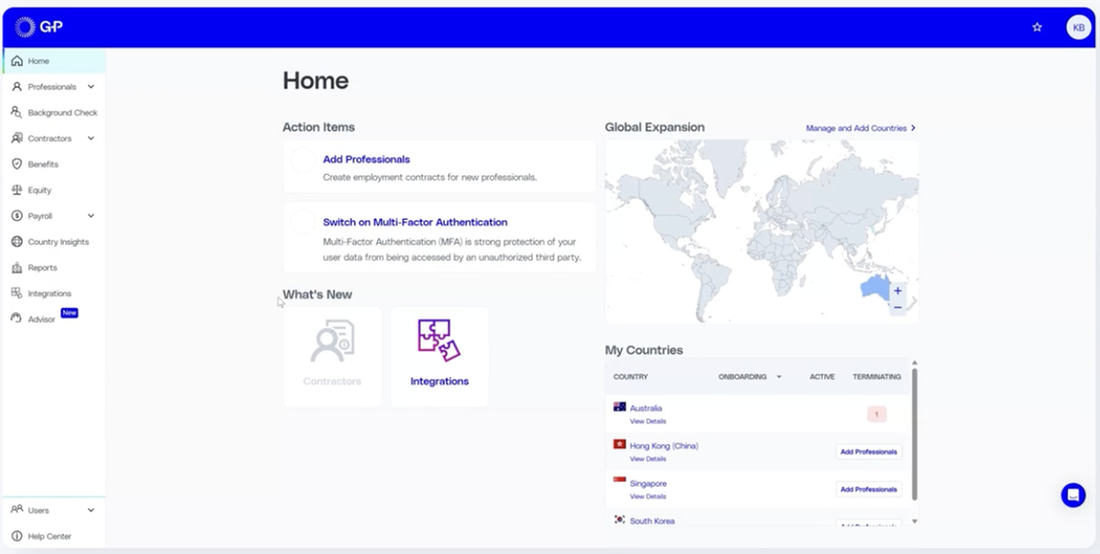
6 G-P logo G-P 4.2/5 Rating Hiring abroad while keeping your existing HR system Starting fee: $599 USD / monthDeposit: 1–2.5 monthsOnboarding: 5–10 days

My take

I’d keep G-P’s contractor and employment quotes separate. Its contractor product starts at USD 39 per contractor per month, charged only in months when an invoice is paid.

Employment through EOR is a separate service with its own agreement and costs.

G-P’s global EOR fee starts at USD 599 per employee per month, with a tailored country proposal. There is no minimum duration for an EOR hire; the client’s billing, cancellation and employee exit terms remain separate contract terms.

Deposit

1–2.5 months

Entity model

100+ own entities, plus partners

First year, one hire

$7,188 in service fees

Reviewed by Martynas PupkeviciusFact-checked by Michael Ennis

Starting fee

$599

Confirm the included services and billing terms in your country quote.

Against the 10 starting fees

$199 lowest$699 highest
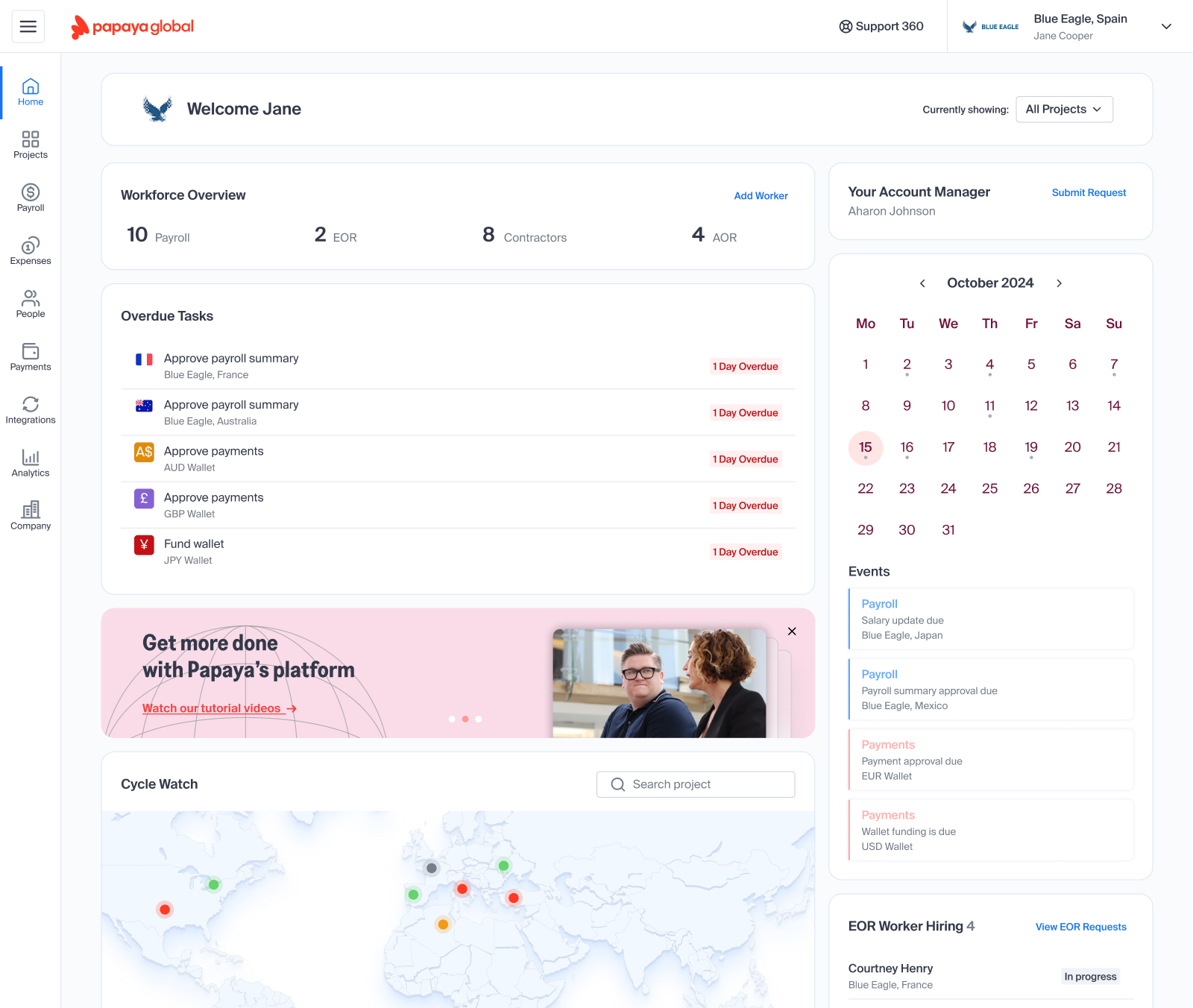
7 Papaya Global logo Papaya Global 4.1/5 Rating Comparing payroll costs across countries in one report Starting fee: $499 USD / monthDeposit: 1–2 monthsOnboarding: 4-6 days

My take

Papaya’s account manager is the part I’d examine closely: this contact coordinates payroll, legal, finance and benefits specialists.

Employees can also raise tickets through its worker app or WhatsApp.

Papaya’s EOR service starts at USD 499 per employee per month. The country quote must identify the billing commitment and any additional services. Salary and employer costs are separate.

Deposit

1–2 months

Entity model

Partner + payroll engine

First year, one hire

$5,988 in service fees

Reviewed by Martynas PupkeviciusFact-checked by Michael Ennis

Starting fee

$499

The country quote sets the billing terms. Payroll-only processing is priced separately.

Against the 10 starting fees

$199 lowest$699 highest
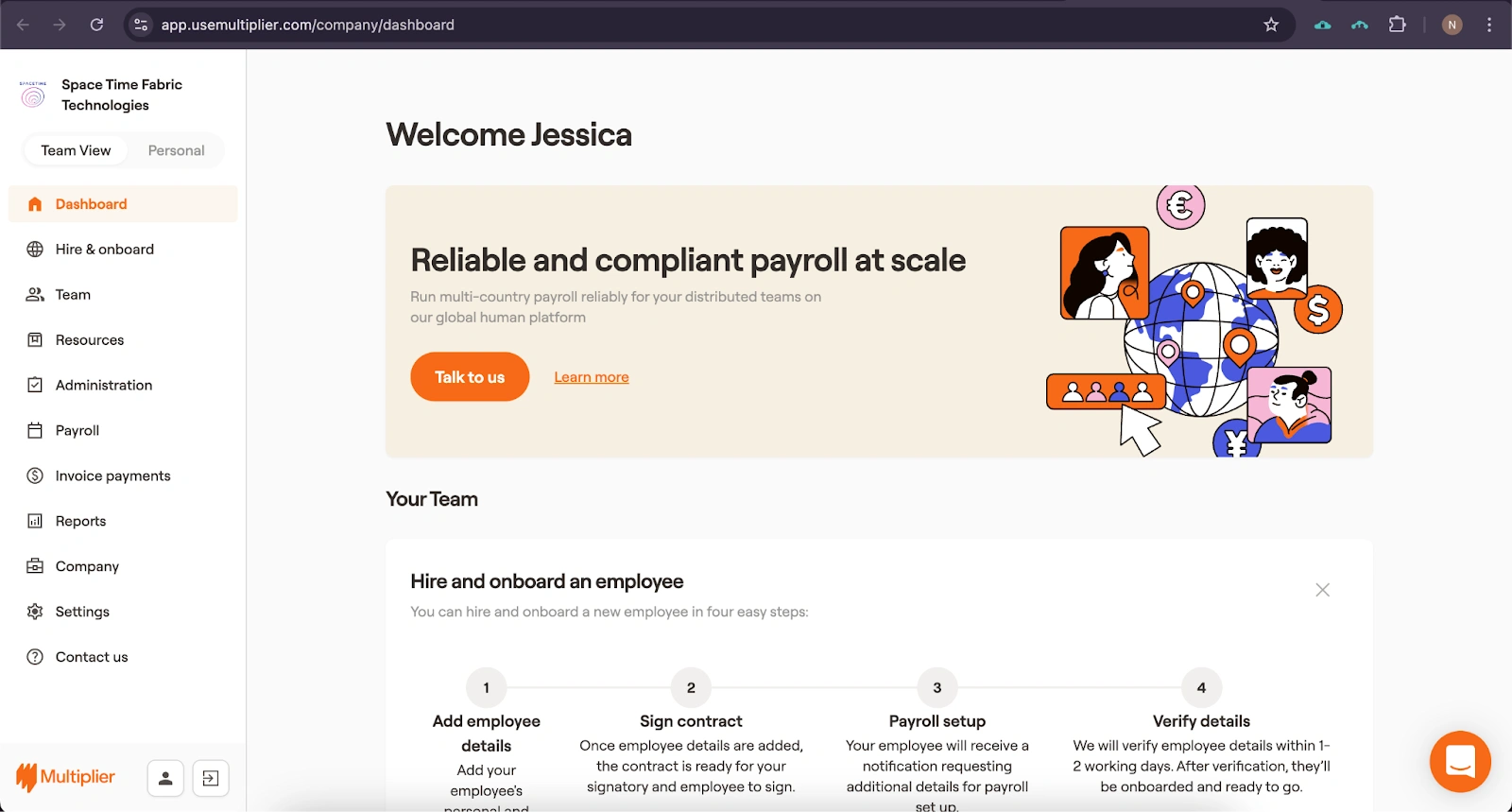
8 Multiplier logo Multiplier 4.1/5 Rating Managing payroll, leave and expenses in one place Starting fee: $459 USD / monthDeposit: 1+ monthsOnboarding: 7–10 days

My take

With Multiplier, I’d compare the commitment as well as the fee: Core starts at $499 per employee per month on monthly contracts, or $459 per employee per month billed annually.

The dollar currency is not specified. Country variations and compliance add-ons affect the quote. Growth adds integrations, custom reports and open API access. Implementation fees may apply, although the FAQ says setup is free; the quote must resolve that charge.

Deposit

1+ months

Entity model

Own entities and partners

First year, one hire

$5,508 in service fees

Reviewed by Martynas PupkeviciusFact-checked by Michael Ennis

Starting fee

$459

Core plan billed annually, or $499 per month on monthly billing. Confirm the dollar currency.

Against the 10 starting fees

$199 lowest$699 highest
9 Borderless AI logo Borderless AI 4.0/5 Rating Getting 24/7 help with overseas payroll and HR Starting fee: $579 USD / monthDeposit: 1.5–3 monthsOnboarding: 7–10 days

My take

With Borderless AI, I’d budget for the refundable deposit due before onboarding.

Borderless AI’s standard calculation is 1.5 months of gross salary plus employer costs, benefits and platform fees for ACH or three months for wire and other methods, with country variations. Balances unpaid for 15 days, or more than two late payments during the term, can raise the deposit to six months. Refunds follow account closure and settlement of outstanding balances.

Borderless AI’s standard fee is USD 579 per employee per month. Eligible companies headquartered outside Canada can pay USD 399 on fees billed through 31 December 2026; USD 579 applies from 1 January 2027, including promotional customers. Some countries and employment types are priced separately. Salary and employer costs are additional.

Deposit

1.5–3 months

Entity model

Own entities

First year, one hire

$6,948 in service fees

Reviewed by Martynas PupkeviciusFact-checked by Michael Ennis

Starting fee

$579

Eligible companies headquartered outside Canada can pay $399 on fees billed through 31 December 2026.

Against the 10 starting fees

$199 lowest$699 highest
10 RemoFirst logo RemoFirst ⚠ Trustpilot warning 0.5/5 Rating Making a first overseas hire on a tight budget Starting fee: $199 USD / monthDeposit: About 1 monthOnboarding: 5–9 days

My take

We moved RemoFirst to last place on 8 November 2026: Trustpilot has suspended its rating for a breach of its guidelines and removed fake reviews.

RemoFirst says it works exclusively with vetted in-country partners. Here, that means a local partner company, not RemoFirst, would normally employ your hire, and payroll changes, questions and exits pass through both companies, which can slow answers. US$199 is RemoFirst’s starting fee and varies by country, so get this country’s quote before you compare. I separate RemoFirst’s contractor pricing from its EOR offer. Its free contractor tier covers administration, including contract management and identity checks. Contractor payments cost USD 25 per contractor in months when a payment is processed; payment-provider and transfer fees may also apply.

RemoFirst’s global EOR fee starts at USD 199 per employee per month, with no minimum contract term or employee count. The country fee, deposit, payroll funding and add-ons depend on the proposal. Salary and employer costs are additional.

Deposit

About 1 month

Entity model

Partners, not own entities

First year, one hire

$2,388 in service fees

Reviewed by Martynas PupkeviciusFact-checked by Michael Ennis

Starting fee

$199

RemoFirst advertises no minimum contract term or employee count. Confirm any country-specific charges.

Against the 10 starting fees
$199 lowest$699 highest

Entity ownership is as each provider states it.

Updated 6 October 2026.

Which top pick · Czech Republic

Deel supports contractor-to-employee conversion through its platform. G-P offers broad international coverage, and Pebl has in-house immigration staff. Request an itemised quote for the hire. The EOR cost calculator lets you compare the recurring amounts in USD.

Local Czech alternatives (unranked): A few regionally focused firms also provide EOR or local payroll outsourcing. Accace is a CEE accounting-and-payroll practice with a Prague office; Balanced HR s.r.o. is a local employment-services firm; Grafton is a staffing house active across the country. A Czech-only employer with no expansion plans may find one sufficient, but ask who the legal employer would be, and on which entity, before signing.

Get your EOR discount

Get up to 30% off eligible EOR service fees. Your quote confirms the discount and terms.

Employment framework

Employment and payroll in the Czech Republic

The Czech employer registers social and health insurance.

The Czech employer handles an employment contract, social-security and health-insurance registrations, and tax records. The working relationship must also be distinguished from genuine independent contracting.

Review the employment arrangement before using a trade licence

The svarcsystem is disguised employment. One example is a worker using a trade licence (zivnostensky list) to invoice a client while working fixed hours under that client’s direction.

Disguised employment has been illegal since the 1990s, and the State Labour Inspection Office (SUIP) checks these arrangements.

Reclassification means back social insurance, back health insurance and back tax, with fines for illegal work that can reach into the millions of koruna. Ask the provider to explain the employment arrangement and its compliance responsibilities.

Employment contract and responsibilities

Confirm the staffing arrangement before comparing service fees

A Czech company registration is only the starting point. Ask the provider to identify the legal arrangement under which the employee will work under your direction. If it is agency employment, the relevant agency permission and written assignment documents matter. The Ministry of Labour describes duties for both the agency and the client, including comparable pay and working conditions.

Send the following with a quote request. Describe the job, work location, reporting line and the terms of any comparable employees. Ask who approves working conditions and safety arrangements, and what happens when you want to end the assignment. Ending the commercial arrangement and dismissing the employee are separate decisions. The provider should explain both routes before you hire.

The EOR’s Czech entity, almost always a spolecnost s rucenim omezenym (s.r.o.), signs the employment contract (pracovni smlouva) under the Czech Labour Code (Zakonik prace, Act No. 262/2006). Request its name and registration details.

You direct the work; the EOR handles the contract, registrations and tax filings.

Registrations and employee records

Social security and health insurance

Since 1 July 2026, ČSSZ employee registration must begin before work starts, no earlier than eight days before the planned start. Partial pre-registration is available for Czech nationals, with remaining data due within eight days; foreign nationals require complete pre-start registration. Health-insurer reporting has its own rules.

Payslip and tax reconciliation

The employer issues the payslip and, on request, prepares the annual tax reconciliation (rocni zuctovani).

From offer to first payroll

1

Agree terms and check any permission route

Confirm salary and candidate details. For a non-EU hire, identify the employee-card or other applicable route, who applies and how approval affects the intended start date.

2

Prepare the employment file

The EOR prepares the Czech-language contract, collects identity and bank details, and sets up the payroll record and required registrations.

3

Confirm dates and approvals

Agree required documents, approvals, the intended start date and first-payroll cutoff. Track CSSZ and health-insurer registration against the deadlines above.

Employer cost

Statutory employer contributions in the Czech Republic

See what the employer pays on top of gross salary.

All figures as of 2026. The combined employer load is 33.8 percent of gross, before the EOR fee.

Fig. 2 · Where the 33.8% goes: employer contributions as a share of gross, within the 2026 ceilings

Contribution Employer rate Cap / basis Collector
Contribution

Pension (duchodove pojisteni)

Employee also pays 6.5%
Employer rate
21.5%
Cap / basis
Annual cap: 48× the average monthly wage
Collector
CSSZ
Contribution

Sickness (nemocenske pojisteni)

Employee also pays 0.6% (since 2024)
Employer rate
2.1%
Cap / basis
Annual cap: 48× the average monthly wage
Collector
CSSZ
Contribution

State employment policy

Unemployment and active labour-market funding
Employer rate
1.2%
Cap / basis
Annual cap: 48× the average monthly wage
Collector
CSSZ
Contribution

Health insurance (zdravotni pojisteni)

Employee also pays 4.5%
Employer rate
9.0%
Cap / basis
No cap
Collector
Employee's public health insurer

Fig. 3 · Mandatory employer contributions in the Czech Republic, 2026 rates and caps

For a CZK 80,000 salary, pension 21.5% = CZK 17,200, sickness 2.1% = CZK 1,680, employment policy 1.2% = CZK 960, health 9% = CZK 7,200, a total of CZK 27,040, or 33.8 percent on top of gross in this illustration. Use the EOR cost calculator to compare the recurring costs from provider proposals in USD. The social-insurance components stop accruing once the employee’s pay passes the annual assessment cap of 48 times the average monthly wage; health insurance keeps running on the full salary with no ceiling. Health premiums go to whichever of the public health insurers the employee is registered with (VZP is the largest), social insurance to CSSZ.

Working time & leave

Working hours, overtime and statutory leave

The standard week is 40 hours, with overtime rules.

The Labour Code sets a 40-hour week, a 25 percent overtime premium and four weeks of paid leave that most employers round up to five. The Czech Republic keeps 13 public holidays.

Hours and overtime

Standard week 40 hours
Daily limit 12 hours
Overtime premium +25% (or time off)
Public-holiday work +100% or a day off
Ordered overtime cap 150 hours/yr
Public holidays/yr 13

Fig. 4 · Hours and overtime in the Czech Republic · 40-hour week, ordered overtime capped at 150 hours a year

Shorter standard weeks apply to shift regimes: 38.75 hours for two-shift and 37.5 for three-shift or continuous operations. An employer can order up to 150 overtime hours a year; more takes the employee’s agreement, within an average of eight overtime hours a week. Night work and weekend work each carry a premium of at least 10 percent of average earnings on top of the wage.

Statutory leave

Annual leave
5 weeks widely offered
4 weeks
Employer sick pay
first 14 days
60% of reduced base
State sickness benefit
from day 15
up to 380 days
Maternity 28 weeks (1 child)
Paternity 2 weeks

Fig. 5 · Statutory leave in the Czech Republic · four weeks of annual leave by law; the employer carries the first 14 days of sickness

Annual leave has been counted in hours rather than days since 2021, which matters for part-timers; four weeks is the floor and a fifth week is a standard offer in tech and at larger employers. The employer pays wage compensation at 60 percent of a reduced base for the first 14 calendar days of sickness, then the state benefit takes over. Maternity benefit runs through CSSZ at roughly 70 percent of the assessment base; parental leave can follow until the child turns three, with the job protected.

Ending employment

Probation, notice and severance in the Czech Republic

The grounds for dismissal affect the notice period.

Notice is generally at least two months; employer notice under section 52(f)–(h) is at least one month, with other statutory or agreed qualifications, and severance scales with tenure.

There is no at-will dismissal: an employer needs one of the grounds listed in the Labour Code, so the EOR builds the paper file before any letter goes out.

Tenure Minimum notice Redundancy severance
Tenure
Under 1 year
Minimum notice
2 months
Redundancy severance
1 month's average earnings
Tenure
1 to 2 years
Minimum notice
2 months
Redundancy severance
2 months' average earnings
Tenure
2 years or more
Minimum notice
2 months
Redundancy severance
3 months' average earnings

Fig. 6 · Notice and redundancy severance by tenure · severance applies to organizational-ground dismissals under section 52 of the Labour Code

An employer can only give notice on the grounds section 52 of the Labour Code lists: organizational changes (redundancy), health reasons, or shortcomings in performance or conduct that have been formally warned. Notice is at least two months for both parties; since the flexibility amendment effective 1 June 2025 it generally runs from the day the notice is delivered rather than the first day of the following month, and drops to one month for serious disciplinary grounds. Statutory severance on organizational grounds is one, two or three months’ average earnings by tenure, and rises to twelve months where employment ends for a work injury or occupational disease. Probation may be agreed for up to four months, or eight for managerial employees, extended from three and six by the same 2025 amendment. A dismissed employee can challenge the notice in court, and an invalid dismissal means compensation for the interim, so the EOR treats the documented ground as the deliverable.

Redundancy of a 3-year employee on CZK 80,000/month Organizational ground under section 52, notice served

Notice period (2 months)

Salary through the notice period = CZK 80,000 × 2
CZK 160,000

Statutory severance

3 months' average earnings (2+ year band) × CZK 80,000
CZK 240,000

Accrued unused leave

Assume 5 days outstanding × daily rate CZK 3,692
CZK 18,462

Indicative exit cost

Before any termination agreement
CZK 418,462

Fig. 7 · Redundancy of a 3-year employee on CZK 80,000/month · indicative exit cost before any negotiated terms

The notice period is normally worked, so its cost is salary for work you still receive; a termination agreement (dohoda) that ends employment sooner, with the same severance attached, is the common route where the employer wants certainty over a court challenge. The exit bill above assumes a pracovni smlouva; a trade-licence exit owes none of it, which is the gap the svarcsystem rules exist to police. To compare the same CZK 418,462 redundancy elsewhere, see the termination across jurisdictions guide.

Payroll & tax

Payroll cycle and income tax in the Czech Republic

Match monthly pay in koruna to the filing deadlines.

Monthly payroll, monthly advances, koruna throughout. Wages fall due by the end of the following month at the latest, and the contributions and tax advance follow on statutory deadlines the month after the work.

Income tax has two bands: 15 percent on annual income up to 36 times the average monthly wage, and 23 percent on the excess. The employer withholds a monthly advance, reduced by the basic taxpayer credit and any other reliefs the employee has signed a declaration for. The so-called super-gross base, tax computed on salary plus employer contributions, was abolished in 2021, so tax now runs on gross salary alone. The EOR withholds the advance and the employee’s 11.6 percent contribution share, remits both, and prepares the annual reconciliation (rocni zuctovani) if the employee asks for it instead of filing a return.

Payroll runs monthly. The statutory backstop is that wages for a month are due by the end of the following calendar month, but the contract or internal rules set the real payday, and most Czech employers pay between the 10th and the 15th. The currency is the Czech koruna (CZK), roughly CZK 21 to one US dollar in 2026, and salaries for local hires are paid in koruna through a Czech payroll. There is no statutory 13th-month salary; year-end and semi-annual bonuses are contractual, though common enough in banking and automotive that candidates may ask.

Two payroll nuances catch foreign employers.

First, public health insurance is not one fund: the employee picks an insurer among several public ones (VZP is the default choice for most), and the employer files and pays where each employee is registered, so a ten-person team can mean filings at three insurers; the EOR tracks who is where.

Second, the meal allowance (stravenkovy pausal) is the standard Czech benefit, a daily cash contribution that is tax-advantaged up to a state-set cap, and many candidates treat it as part of the package; the EOR runs it through payroll if you offer it.

The employment contract

Contract requirements, the svarcsystem and 13th-month norms

Name the job, workplace and start date in writing.

The employment contract (pracovni smlouva) must be in writing and must state three essentials: the type of work, the place of work and the start date.

Since the 2023 transposition of the EU transparent-working-conditions directive, the employer also owes the employee a fuller written statement of conditions within seven days of the start, covering pay dates, leave, notice and training. Czech courts work in Czech, so the contract is drafted in Czech with a bilingual version common practice; the EOR supplies it.

The Labour Code recognises lighter forms beside full employment: the DPP (dohoda o provedeni prace) for up to 300 hours a year per employer, and the DPC (dohoda o pracovni cinnosti) for up to a half-time average, both used for side jobs and short engagements. Beyond those sits the trade-licence relationship, and with it the svarcsystem line: fixed hours, one client, the client’s tools and direction all point to employment, whatever the invoice says. A fixed-term pracovni smlouva is capped at three years and two repeats before the next one must be open-ended. An open-ended contract is an option for a permanent role.

There is no statutory 13th-month salary in the Czech Republic. Annual or semi-annual bonuses are a contractual matter, widespread in banking, automotive and larger tech employers, but nothing in the Labour Code requires them. If you offer one, write it into the contract as either guaranteed or discretionary so the basis is unambiguous; the EOR pays it through payroll with social insurance, health insurance and tax applied like any other wage.

Put home-working expenses into the Czech offer

Czech rules allow reimbursement of evidenced expenses or an adopted flat-rate method. For 2026 the statutory flat-rate amount is CZK 4.70 per hour. A written individual agreement made in advance can instead exclude all or part of these reimbursements. The contract package should make the chosen approach clear before the first remote working day.

For a hypothetical month with 160 qualifying home-working hours, the statutory flat-rate calculation is CZK 752. Ask how remote hours reach payroll, which reimbursement method the provider uses and whether the employee package includes any additional equipment allowance.

Division of responsibility

What the EOR handles, and what stays with you

The Czech employer handles local registrations.

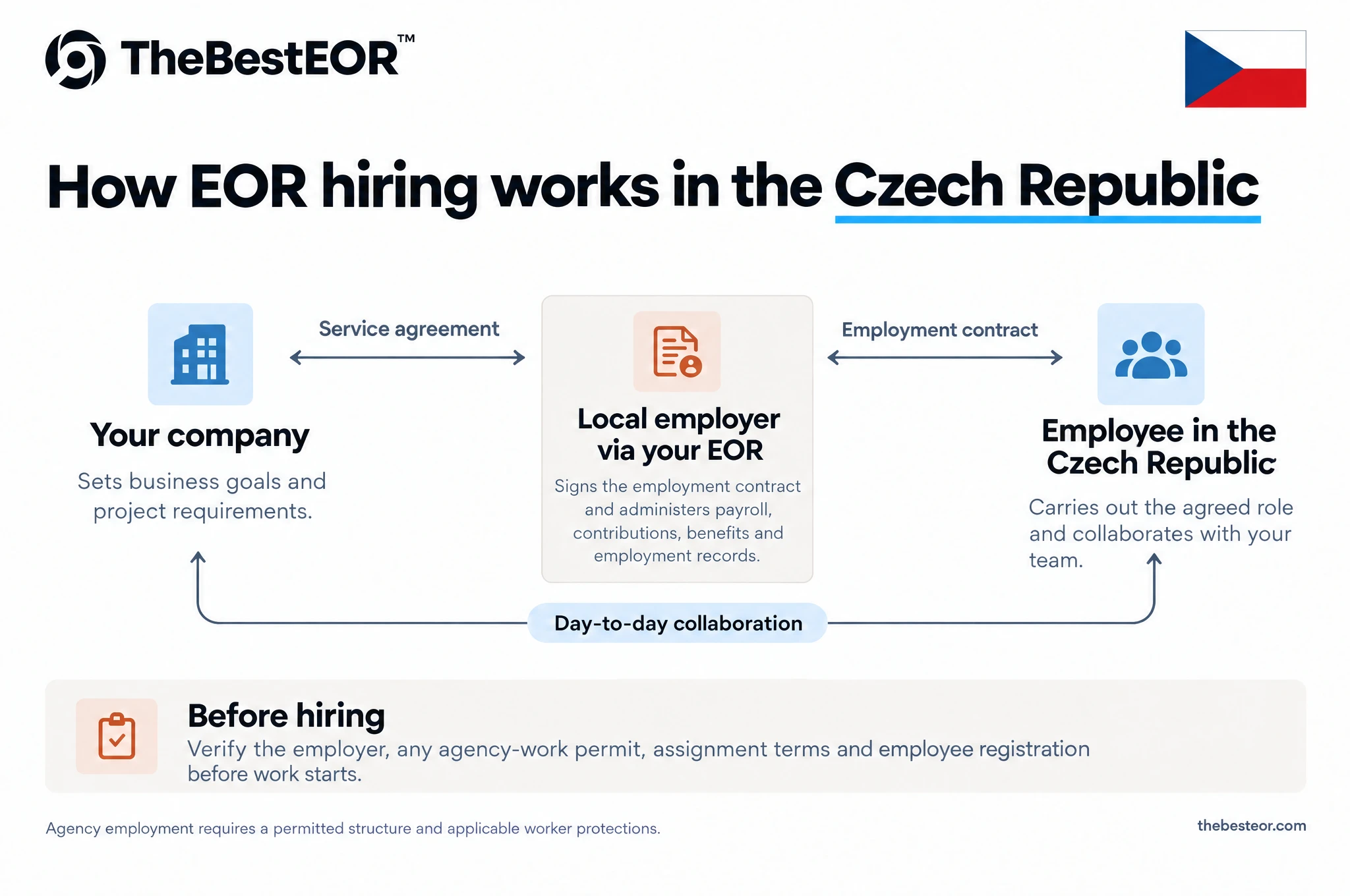
Employer of record in the Czech Republic diagram showing the service agreement, employment contract, and day-to-day collaboration between your company and the employee.
Employer of record in the Czech Republic: how your company, the local employer and the employee work together. Select the image to enlarge.

The EOR handles

1

Being the employer in law: the pracovni smlouva sits on its s.r.o., and so does everything the Labour Code attaches to it

2

Pre-start ČSSZ employee registration under the rules effective 1 July 2026; report to the health insurer under its separate rules
3
Monthly payroll, the 24.8% social insurance and 9% health premium
4
Income-tax advance withholding and the annual reconciliation
5
The Czech-language contract and the 7-day conditions statement

6

Statutory leave administration and employer sick pay for days 1–14

7

Compliant offboarding on a section 52 ground, with the file to support it

You keep

1
What the person works on, day to day
2
The pay decision: salary, and whether any bonus is guaranteed or discretionary
3
Who gets hired, who gets promoted, and whose employment you end

4

Performance management; if a dismissal is ever challenged, the grounds come out of your files
5
Laptops and tooling (Rippling device management is a separate paid product)
6
Your contract with the provider itself, including how IP assignment is worded before anyone signs

SUIP can look at a trade-licence arrangement running on fixed hours, your direction and a single client and treat it as employment, with back contributions and fines behind the finding. An employment arrangement that meets local requirements can change how the worker is engaged from then on. It does not settle earlier classification liabilities, and the staffing model and any immigration route require their own assessment. The misclassification guide covers the tests Czech authorities apply.

Work permits

Work permits and the employee card (2026)

Who will sponsor the employee card for a non-EU hire?

EU and EEA nationals need no permit to work in the Czech Republic. For non-EU hires the employee card is the standard route, and it is sponsored by whichever company employs.

Route Salary requirement Who it suits Notes
Route
EU / EEA national
Salary requirement
No permit, no floor
Who it suits
EU citizens, incl. every Czech and Slovak national
Notes
Free movement; residence registration if staying long term
Route
Employee card (zamestnanecka karta)
Salary requirement
At least the minimum wage
Who it suits
Standard non-EU employee
Notes
Combined residence-and-work permit, tied to a vacancy reported to the central register
Route
EU Blue Card
Salary requirement
At least 1.5× the average gross annual wage
Who it suits
Highly qualified non-EU specialists
Notes
Degree or equivalent qualification required; easier mobility than the employee card
Route
Intra-company transfer (ICT) card
Salary requirement
Comparable local pay
Who it suits
Managers and specialists moved within a group
Notes
For transfers from a group company outside the EU

Fig. 8 · Work-permit routes for the Czech Republic · EU and EEA nationals need no permit

Permits are employer-tied, so the EOR’s Czech entity must be the legal employer to sponsor. The employee card is filed with the Ministry of the Interior, usually through a Czech embassy in the candidate’s country, against a vacancy the employer has reported to the central register; plan on roughly two to three months end to end, longer where an office is busy or documents need legalisation. The Blue Card salary floor is set as 1.5 times the average gross annual wage and is republished each year, so confirm the current koruna figure when the offer is drafted.

For an EU-national hire, which includes every Czech and Slovak citizen, no permit is needed and every provider on the list works.

Salary benchmarks

What roles cost in the Czech Republic, 2026

Compare gross monthly pay, including bonuses.

These Platy.cz employee-survey ranges cover the middle 80% of reported gross monthly pay nationwide, including bonuses.

They were checked on 2 October 2026; the public pages do not give one common collection period. They are broad market distributions, so match region, responsibilities and experience before setting an offer. Dollar amounts are illustrations calculated at CZK21 per USD.

Role and source Gross CZK/month: central 80% USD/month (illustrative)
Role and source
Software developer
Gross CZK/month: central 80%
CZK 43,202–129,128
USD/month (illustrative)
$2,057–6,149
Role and source
IT product manager
Gross CZK/month: central 80%
CZK 62,136–165,869
USD/month (illustrative)
$2,959–7,899
Role and source
Accountant
Gross CZK/month: central 80%
CZK 32,499–56,830
USD/month (illustrative)
$1,548–2,706
Role and source
Customer-support specialist
Gross CZK/month: central 80%
CZK 32,009–56,882
USD/month (illustrative)
$1,524–2,709
Role and source
Sales manager
Gross CZK/month: central 80%
CZK 44,621–131,516
USD/month (illustrative)
$2,125–6,263
Role and source
HR manager
Gross CZK/month: central 80%
CZK 53,703–135,526
USD/month (illustrative)
$2,557–6,454
Role and source
Graphic designer
Gross CZK/month: central 80%
CZK 32,535–65,871
USD/month (illustrative)
$1,549–3,137

Fig. 9 · Czech salary survey ranges · gross monthly pay, 10th–90th percentiles · Platy.cz, checked 2 October 2026

Salaries cluster in Prague, with Brno’s engineering scene close behind and Ostrava noticeably cheaper. Bear the trade-licence market in mind when you benchmark: a contractor’s headline day rate carries none of the 33.8 percent employer load, so comparing it with a gross salary understates what the same person costs as an employee.

Fully-loaded cost

What a Czech engineer costs per month

Start with an engineer on CZK 80,000 gross a month.

Software engineer, Prague Gross base: CZK 80,000/month
Gross salary CZK 80,000

Pension (21.5%)

Below the 48×-average-wage annual cap
CZK 17,200

Sickness (2.1%)

CZK 1,680

State employment policy (1.2%)

CZK 960

Health insurance (9%)

No ceiling; paid to the employee's insurer
CZK 7,200

EOR fee, cheapest

Illustrative $199 fee, rounded to CZK 4,200 at CZK 21/USD
CZK 4,200

Monthly total, cheapest fee

Annual ≈ CZK 1,334,880 (about $63,600)
CZK 111,240

Fig. 10 · Fully-loaded monthly cost of a CZK 80,000 engineer · illustrative USD 199 monthly service fee shown; a premium fee moves the total

Statutory employer cost is CZK 27,040, exactly 33.8 percent on top of gross. At the illustration’s exchange rate, these hypothetical USD monthly service fees change the modelled total: a USD 599 service fee (≈ CZK 12,600) lands at CZK 119,640/month (≈ CZK 1,435,680/year), and a USD 699 service fee (≈ CZK 14,700) lands at CZK 121,740/month (≈ CZK 1,460,880/year). Because the statutory load is the same 33.8 percent for everyone, the fee is the biggest lever on total cost in the Czech Republic once the entity question is settled.

EOR vs your own entity

EOR or your own s.r.o.: compare costs

Factor EOR Your own s.r.o.
Factor
Setup cost
EOR
None
Your own s.r.o.
Notarial deed, commercial-register entry and trade licence, billed before the first hire
Factor
Time to first hire
EOR
2–14 days
Your own s.r.o.
Weeks: registration, bank account, CSSZ, health-insurer and tax registrations come first
Factor
Per-employee cost
EOR
$199–699/employee/mo fee + statutory
Your own s.r.o.
Statutory only, plus shared overhead
Factor
Ongoing admin
EOR
Provider runs payroll & filings
Your own s.r.o.
Accountant, CSSZ, health-insurer & tax filings, your own payroll
Factor
Compliance liability
EOR
The legal employer carries employer duties; the client retains duties under the applicable staffing arrangement and its own conduct.
Your own s.r.o.
On you and your executives

Fig. 11 · EOR against your own s.r.o. · a per-employee fee versus fixed overhead

At an illustrative USD 199 monthly service fee, the service-fee component is about CZK 50,000 a year per employee before other EOR charges or entity administration costs. An s.r.o. spends in the opposite pattern: the registered capital can be as little as CZK 1, but the notarial deed, the commercial-register entry, the trade licence, the bank account and an accountant on retainer all land before the first payslip, and the filings fall due whether you employ one person or twenty. Confirm which charges are fixed and which scale with headcount. Complete EOR and entity budgets over the same hiring period determine whether a financial crossover occurs.

The common Czech path is to hire the first few through an EOR while an incorporation would still be in progress, then stand up an s.r.o. and transfer staff once the team and the commitment justify the overhead.

FAQ

EOR in the Czech Republic: common questions

Which EOR should I use to hire in the Czech Republic?

RemotePeople is our top pick for the Czech Republic in 2026 (4.9/5), followed by Deel (4.7/5) and Rippling (4.5/5). We opened paid accounts with all 10 providers on this page, priced real hires and ran payroll.

RemotePeople offers recruitment and EOR through one provider, with a dedicated account manager on both EOR plans. Its EOR Global plan starts at USD 499 per employee per month, and EOR Select at USD 199 where the hire qualifies. Deel starts at USD 599 plus a mandatory Employer Liability Cost; Rippling starts at USD 499 plus its required platform subscription.

Start with the Czech Republic provider comparison and ask shortlisted providers which entity will employ the worker and which staffing model supports the arrangement. Get the proposed contract, social and health contribution calculation and employee-registration steps in writing before agreeing the start date. Include leave, home-working expenses where applicable and exit costs in the quote.

For a foreign hire, confirm who will handle right-to-work checks and any employee-card application support. Choose on the provider’s documented ability to handle the role and employment terms.

How does an employer of record work in the Czech Republic?

An employer of record in the Czech Republic becomes the worker’s legal employer through a local employing entity, while your company directs the day-to-day work. The EOR signs the employment contract (pracovni smlouva) on its s.r.o., registers the employee with ČSSZ before the start and with the health insurer, and runs monthly payroll with the 24.8% social insurance and 9% health insurance employer contributions and income-tax advance withholding.

How fast can an EOR onboard an employee in the Czech Republic?

Estimated onboarding times for the Czech Republic range from 2 to 10 days across the providers we tested. By provider: Deel 2–5 days, RemotePeople 2–5 days, Pebl 2–5 days, Rippling 3–5 days and G-P 5–10 days.

Since 1 July 2026, ČSSZ employee registration must begin before work starts, no earlier than eight days before the planned start. Partial pre-registration is available for Czech nationals, with remaining data due within eight days; foreign nationals require complete pre-start registration. Health-insurer reporting has its own rules.

How much does an EOR cost in the Czech Republic per month?

Published service fees for the Czech Republic run from USD 199 to USD 699 per employee per month across the 10 providers we tested: RemoFirst from USD 199; RemotePeople Global from USD 499, or Select from USD 199 only where country and salary qualify; Deel from USD 599 plus mandatory Employer Liability Cost; G-P from USD 599; Oyster USD 699 on monthly billing, with annual seats quoted separately. Multiplier Core advertises $499 monthly or $459 per month billed annually; Pebl advertises $399, with currency and commitment to confirm. Rippling starts at USD 499 plus its required platform from USD 8 per employee, and Papaya Global at USD 499. Borderless AI is USD 579 standard, with an eligible USD 399 promotion on fees billed through 31 December 2026. All amounts are per employee/month; salary and employment costs are separate.

On top of the fee you pay the employee’s gross salary plus 33.8 percent in employer contributions: 24.8 percent social insurance and 9 percent public health insurance.

What employer contributions are mandatory in the Czech Republic?

Social insurance of 24.8 percent of gross, made up of pension at 21.5 percent, sickness at 2.1 percent and the state employment policy contribution at 1.2 percent, plus public health insurance at 9 percent. Social insurance is capped at an annual assessment base of 48 times the average monthly wage; health insurance has no cap. This illustration uses a combined employer load of 33.8 percent; confirm the applicable rates and caps for the actual salary.

What is the svarcsystem and why does it matter?

The svarcsystem is dependent work presented as independent contracting. The State Labour Inspection Office assesses the actual circumstances, including control over the work, rather than relying on the contract’s title. See its explanation of disguised employment.

An EOR can arrange a compliant employment contract for future work, but the new contract does not automatically settle questions about the earlier period. Review the previous arrangement and any related obligations separately.

Can an EOR sponsor a work permit in the Czech Republic?

The standard route for a non-EU hire is the employee card (zamestnanecka karta), a combined residence and work permit tied to a vacancy the employer reports to the central register; highly qualified hires with a degree can use the EU Blue Card, which requires a salary of at least 1.5 times the average gross annual wage. EU and EEA citizens need no permit at all.

How much notice and severance applies when terminating in the Czech Republic?

Notice is at least two months for both sides, and an employer needs one of the grounds listed in the Labour Code; there is no at-will dismissal. Statutory severance for redundancy and other organizational grounds is one month’s average earnings under one year of service, two months for one to two years, and three months beyond two years. A three-year employee on CZK 80,000 made redundant is owed two months of notice and three months of severance, roughly CZK 400,000 before unused leave is paid out.

What currency and payroll cycle does the Czech Republic use?

The Czech koruna (CZK). Payroll runs monthly, and unless the contract or an internal rule sets an earlier payday, wages fall due by the end of the following calendar month; most Czech employers in practice pay between the 10th and the 15th. The EOR remits social insurance, health insurance and the withheld income-tax advance in the following month on the statutory deadlines. Roughly CZK 21 equals one US dollar in 2026.

Is the 13th-month salary mandatory in the Czech Republic?

No. Czech law mandates no 13th or 14th salary; annual and semi-annual bonuses are contractual, and common in banking, automotive and larger tech employers. If you offer one, write it into the contract as either guaranteed or discretionary so the basis is unambiguous; the EOR runs it through payroll with social insurance, health insurance and tax applied like any other wage.

Sources and as-of dates

Article references

The Zakonik prace, as reshaped by the June 2025 flexibility amendment, governs most of the page. Rates are as of August 2026.

Hiring facts Checked 2 Oct 2026

Hiring facts

Checked 2 October 2026
Eligibility, local and collective rules apply. EOR fees extra.

Labour Code (Zakonik prace, Act No. 262/2006) 7 sources

Act No. 262/2006: normally a 40-hour week, statutory overtime compensation and at least four weeks of annual leave. Notice is generally at least two months, but one month applies to employer notices under section 52(f)–(h); it normally runs from delivery. Probation may be agreed up to four months, or eight for managers. Fixed-term contracts normally last at most three years and may be repeated twice, subject to statutory exceptions, including parental-leave replacements. These rules include the flexibility amendment effective 1 June 2025.

Social insurance 3 sources

The standard employer social-insurance rate is 24.8% (pension 21.5%, sickness 2.1%, employment policy 1.2%); the standard employee rate is 7.1%, including the 0.6% sickness contribution restored on 1 January 2024. Higher employer rates apply to specified risk occupations, and statutory reliefs can apply. The 2026 annual assessment cap is 48 times the reference average monthly wage, or CZK 2,350,416.

Public health insurance 3 sources

Public health-insurance contributions are normally 9% for the employer and 4.5% for the employee, with no maximum assessment cap. The employer remits the combined premium to the employee’s public insurer. Minimum-assessment rules and exceptions can affect low-paid employees.

Severance 3 sources

Labour Code section 67 provides minimum organizational-dismissal severance of one month’s average earnings for service under one year, two months for one to under two years, and three months for at least two years. Since 1 June 2025, qualifying work-injury or occupational-disease terminations attract a separate 12-month lump-sum compensation payment under section 271ca. Section 67 retains 12-month severance for the maximum-exposure ground.

Personal income tax 3 sources

Personal income tax is 15% on the annual tax base up to 36 times the statutory average monthly wage and 23% on the excess. For 2026 the threshold is CZK 1,762,812. The super-gross salary tax base was abolished in 2021. Eligible employees can claim the basic taxpayer credit through payroll after completing the taxpayer declaration; the credit is CZK 2,570 monthly.

Sickness benefits 2 sources

During the first 14 calendar days of incapacity, the employer pays statutory wage compensation for qualifying working time at 60% of reduced average earnings. State sickness benefit generally starts on day 15; its ordinary support period ends no later than 380 calendar days from the start of incapacity, including relevant earlier periods, subject to statutory exceptions. Employer compensation is governed by the Labour Code; state benefit by the Sickness Insurance Act.

Work permits 4 sources

Employee cards and intra-company transfer cards are residence-and-work routes administered by the Ministry of the Interior, with applications commonly lodged through Czech diplomatic missions. Blue Card pay must meet at least 1.5 times the published average gross annual wage. For 1 May 2026–30 April 2027 the ministry’s published monthly minimum is CZK 73,823; the applicable threshold depends on the decision date.

Salary benchmarks 7 sources

The salary table uses the central 80% of Platy.cz gross monthly employee-survey observations for seven named roles. Each role links directly to its pay distribution. Figures include bonuses and combine different experience levels and regions; the public pages do not state a common collection period. Checked 2 October 2026. USD conversions use the illustrative CZK21-per-dollar assumption.

Provider pricing, entity model and onboarding 10 sources

Sources checked in October 2026 Checked 19 Oct 2026

ČSSZ — pre-start employee registration from July 2026 — Pre-start registration, eight-day advance window, Czech-national partial registration and foreign-national full registration. Checked 19 October 2026.

MPSV — agency employment — Permission, written assignments, comparable conditions and legal employer/client responsibilities. Checked 19 October 2026.

MPSV — remote-work expense reimbursement — Reimbursement methods, advance written exclusion and 2026 CZK 4.70 hourly flat rate. Checked 19 October 2026.

Use the directory to compare EOR providers for the Czech Republic, or see the country guides for another market. The EOR cost calculator totals the recurring USD amounts from each proposal.

This guide is for general information only and does not provide legal, tax, accounting, or financial advice. For advice about your business, consult a qualified professional familiar with the rules where you hire. The research methodology explains how TheBestEOR assesses sources.