TheBestEOR

Best Employer of Record in Pakistan

Written by Martynas PupkeviciusFact-checked by Michael Ennis
Picture of Martynas Pupkevicius
Martynas Pupkevicius

EOR Advisor and Remote Work Editor

Our top employer of record in Pakistan for 2026 is RemotePeople, from USD 499 per employee a month, ahead of Deel and Rippling.

We tested all 10 providers with paid client accounts, real quotes and a live hire run through payroll. Pakistan’s working hours, leave and bonus rules depend on the province, and employers pay pension contributions through the Employees’ Old-Age Benefits Institution.

Flag of Pakistan

Hiring in Pakistan at a glance

Currency
PKR
Pakistani rupee
Pay cycle
By province
Provincial law sets the latest payday, agree it in writing
Working hours
By province
Limits vary by province and type of business
Annual leave
By province
Depends on province and type of workplace
Extra pay
Profit bonus
May be statutory for certain workers, by province
Employer costs
Pension
Plus any provincial social security contributions
Before you hire:
Give the EOR the province and job duties, then get hours, leave, bonus and contribution rules in writing.

Country hiring overview · Pakistan

Hiring in Pakistan, at a glance.

Define the province and payroll registrations first.

For a Pakistani hire, I’d start by establishing the province, work location and type of employing establishment. Ask which employment rules and social-security registrations apply, then compare the same salary, benefits, payroll support and provider fee.

Choose a hiring solution

Need a local employer?

Compare an EOR arrangement for your role before opening your own entity.

Already have a local employer?

Compare payroll and HR support against adding an EOR.

EOR service fee

Fees vary by provider.

Your quote should state the currency, fee per employee, minimum charge and billing commitment.

Onboarding

Paperwork affects the start date.

The contract, right-to-work checks, registrations and payroll deadlines all affect when employment can begin.

Employment costs

Check provincial contributions.

Ask which EOBI and provincial social security contributions apply to the employee. The quote should show those calculations and agreed benefits separately from salary.

Annual leave

Leave varies by province and sector.

The applicable province and sector determine which leave rules apply. For example, Sindh’s rules for factory workers apply to covered factory jobs in that province. Ask the provider to put the employee’s allowance and the law governing it in writing.

Check before choosing

Confirm the relevant provincial law, contribution eligibility and wage bases, gratuity/provident-fund treatment and salary funding route.

What your quote should include

Employment costs and service fees

1
Gross salary and agreed pay schedule
2
Applicable EOBI, provincial social security and benefits
3
EOR fee: currency, per-employee billing, minimums and commitment
4
Setup, foreign exchange, extras and exit costs

Deposits and payroll funding

1
Amount and payment deadline
2
Whether funds are refundable or credited to payroll
3
Release conditions and refund timing
Show these separately from recurring expenses.

Key takeaways for hiring in Pakistan

A provident-fund label does not settle gratuity

For a covered Sindh worker, the fund exception has conditions: employee participation, an employer contribution at least as large, and a payout safeguard. I’d compare the actual scheme and covered service period before treating gratuity as zero in the exit budget.

EOBI does not use the employee’s entire salary

The Ministry describes 5% employer and 1% employee contributions on the federally notified minimum-wage base. Do not multiply a software engineer’s gross salary by those rates or automatically substitute the province’s general minimum wage. The quote should state the base used.

A bonus can change monthly withholding

Salary tax is based on estimated taxable salary for the tax year. A raise or contractual bonus changes the estimate and can change deductions. Ask for an updated annual calculation when agreeing additional pay rather than promising the same take-home amount every month.

A gratuity reserve needs an exit reconciliation

A monthly reserve is a funding arrangement, not proof that the statutory benefit has been paid or fully covered. For a covered Sindh worker, match the fund or gratuity treatment to the service period and preserve the statutory payout safeguards in the final settlement.

Quick verdict

What is the best EOR in Pakistan?

1
Editorial pick
RemotePeople logo

4.9/5

RemotePeople

Hiring in new markets with local HR support

Starting fee
$499

per employee / month

Countries
150+
where you can hire

EOR Select from $199 for eligible hires.

Deposit
1 month

of gross salary

Deposit refund
Within 5 days

of the final payment

Why consider it

Recruitment and EOR services through one provider.

Dedicated account manager in both EOR plans.

Check the fit

Recruitment is separately priced. Confirm its fee and payment schedule.

Before signing: Confirm quote currency, billing commitment, deposits, funding deadlines and refund terms. EOR Select eligibility depends on the hiring country and employee salary.

Both EOR plans list local contracts, payroll and tax administration, and statutory benefits administration. Salary, employer contributions and benefit costs are separate.

Visit RemotePeople ↗

2
Deel logo

4.7/5

Deel

Paying employees and contractors on one platform

Starting fee
$599

per employee / month

Countries
130+
where you can hire

Plus a mandatory Employer Liability Cost.

Deposit
1–1.5 months

of gross salary

Deposit refund
Within 60 days

of offboarding

Why consider it

EOR, contractor management and payroll for your own entities.

Month-to-month EOR service pricing available.

Check the fit

Ask for the country-specific Employer Liability Cost in your quote; it is mandatory.

Before signing: Confirm the Employer Liability Cost amount, benefit costs and any additional products. Monthly service terms do not remove employment notice, severance or other exit obligations.

The EOR pricing page lists 130+ countries. Broader platform coverage figures may include other services; confirm EOR availability for your hiring country.

Visit Deel ↗

3
Rippling logo

4.5/5

Rippling

Setting up payroll, laptops and app access for new hires

Starting fee
$499

per employee / month

Countries
115
where you can hire

Plus the Rippling Platform, from $8 per employee / month.

Deposit
Per quote

based on gross salary

Deposit refund
Per contract

set in your agreement

Why consider it

EOR, payroll, HR records and benefits administration in one platform.

Shared workflows and reporting for domestic and international teams.

Check the fit

Ask for an itemised quote showing the required platform and each HR or IT module.

A paid Rippling Platform subscription is required on top of the EOR fee, from $8 per employee per month plus a monthly base fee. Rippling EOR starts at $499 per employee per month. Other HR and IT products are priced separately.

Rippling’s EOR page lists 115 countries. Confirm your hiring country and legal employer. Confirm current availability and the legal employer for your hiring country.

Visit Rippling ↗

No provider pays for a position on this page; some outbound links pay a referral fee. See the funding model and methodology.

Fees compared

All 10 EOR providers for Pakistan, side by side

I’d ask who the local partner is and who provides support.

EOBI, social security and gratuity cost the same whoever employs, and every provider below routes Pakistan through a local partner or declines to say otherwise. That leaves fees and the support model to separate ten providers whose statutory output is identical.

For the order across all markets, see the ranking of the best employer of record services worldwide. For a wider shortlist, browse EOR providers for Pakistan.

Provider

Best For

Starting feeDepositOnboarding
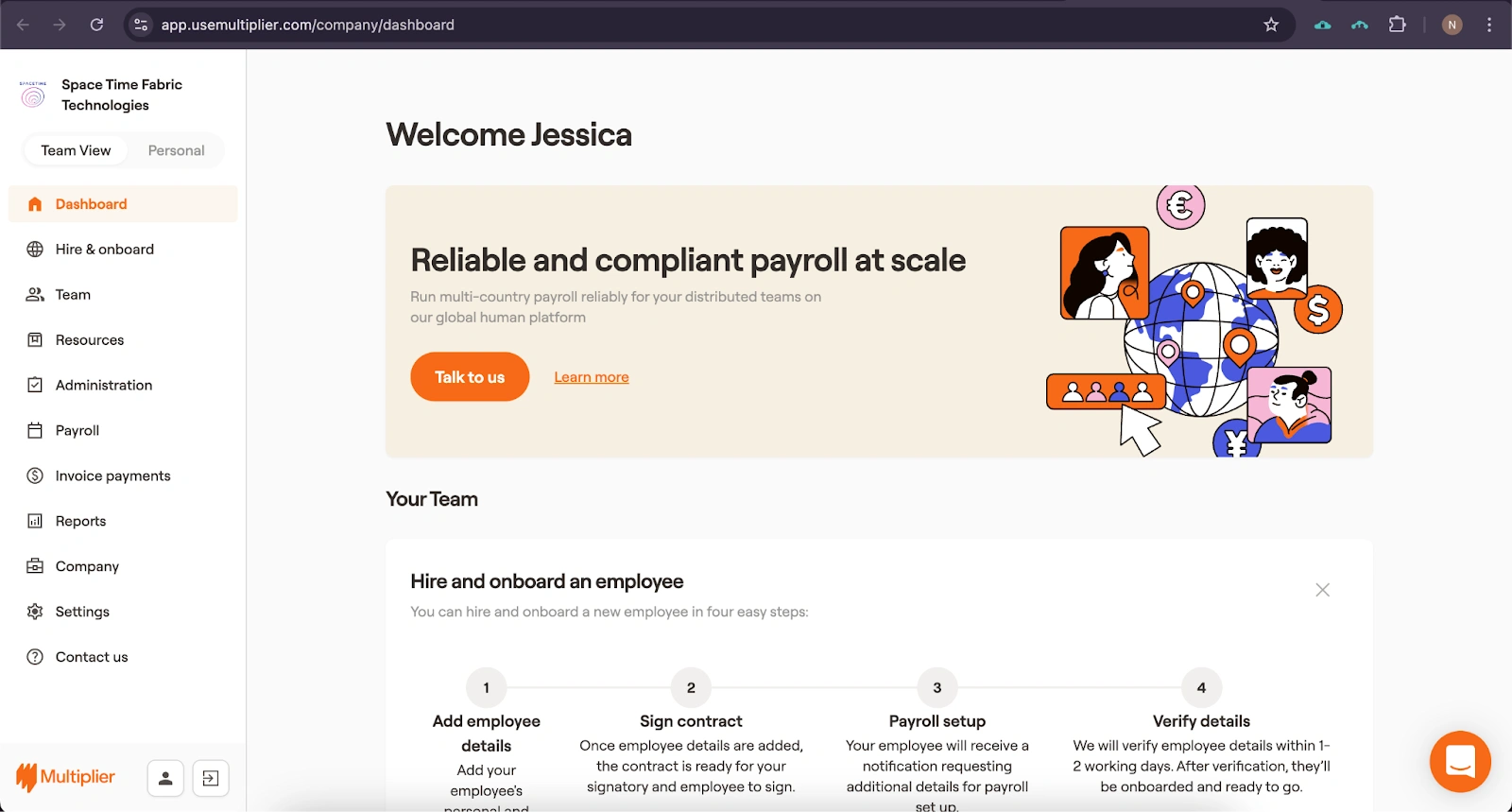
1 RemotePeople logo RemotePeople 4.9/5 Rating Hiring in new markets with local HR support Starting fee: $499 USD / monthDeposit: 1 monthOnboarding: 5–8 days

My take

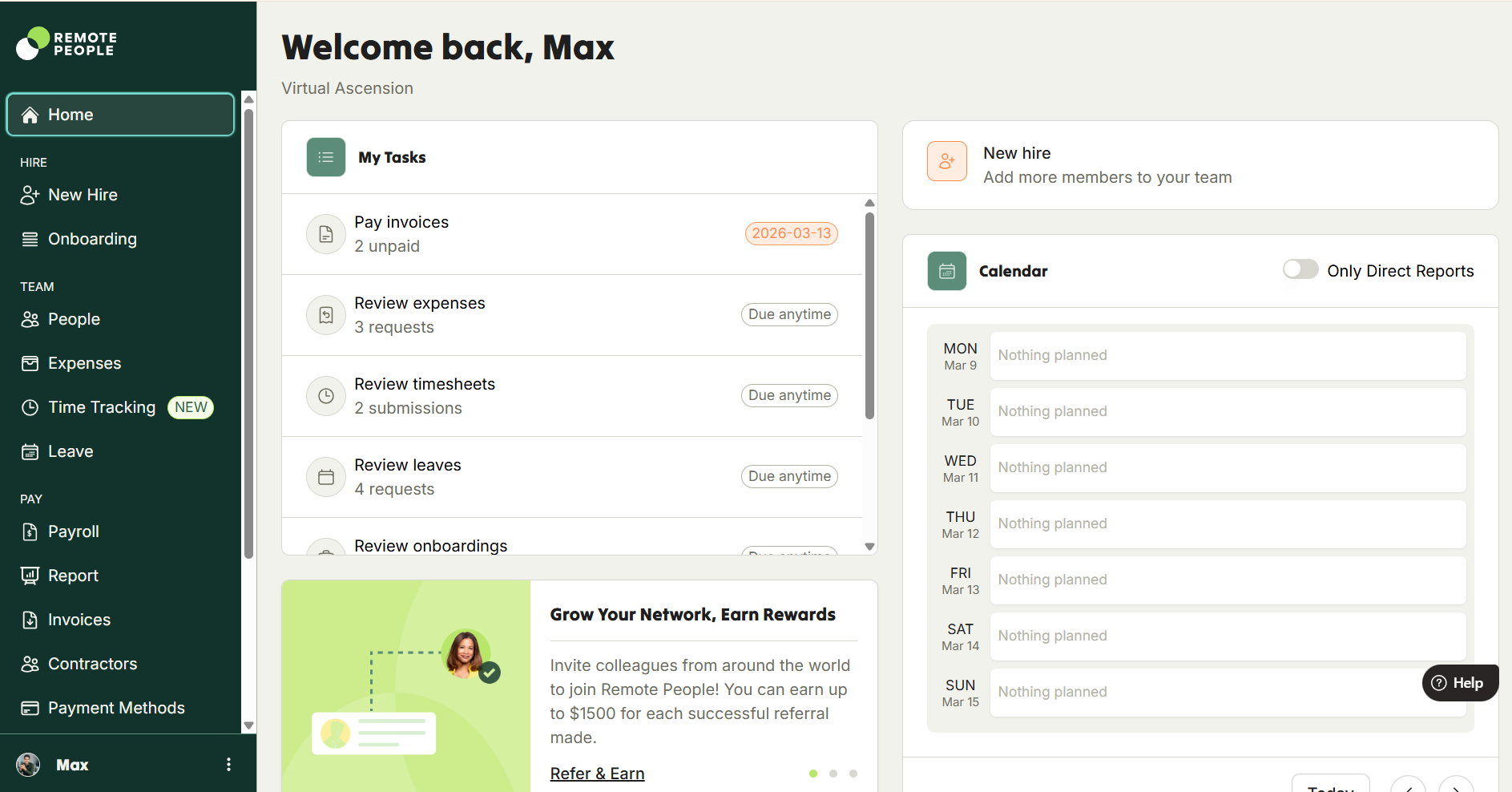
I’d consider RemotePeople if a dedicated account manager is part of the support you want.

The service includes local employment contracts, payroll and tax administration, and statutory-benefits administration. I’d price recruitment separately, as it is a separate service.

EOR Global starts at USD 499 per employee per month. EOR Select starts at USD 199 for eligible countries and employee salary ranges. Salary, employer contributions, benefit costs and agreed extras are additional. The country quote determines eligibility, the final fee, billing commitment and payroll funding.

When this provider fits

Confirm RemotePeople Select eligibility before using its lower fee. If contractors sit alongside employees, compare the contractor terms separately and identify who handles the local employment escalations.

Deposit

1 month

Entity model

Own entities in core markets

First year, one hire

$5,988 in service fees

Reviewed by Martynas PupkeviciusFact-checked by Michael Ennis

Starting fee

$499

EOR Global. EOR Select starts at $199 where the country and employee salary qualify.

Against the 10 starting fees

$199 lowest$699 highest
2 Deel logo Deel 4.7/5 Rating Paying employees and contractors on one platform Starting fee: $599 USD / monthDeposit: 1–1.5 monthsOnboarding: 5–10 days

My take

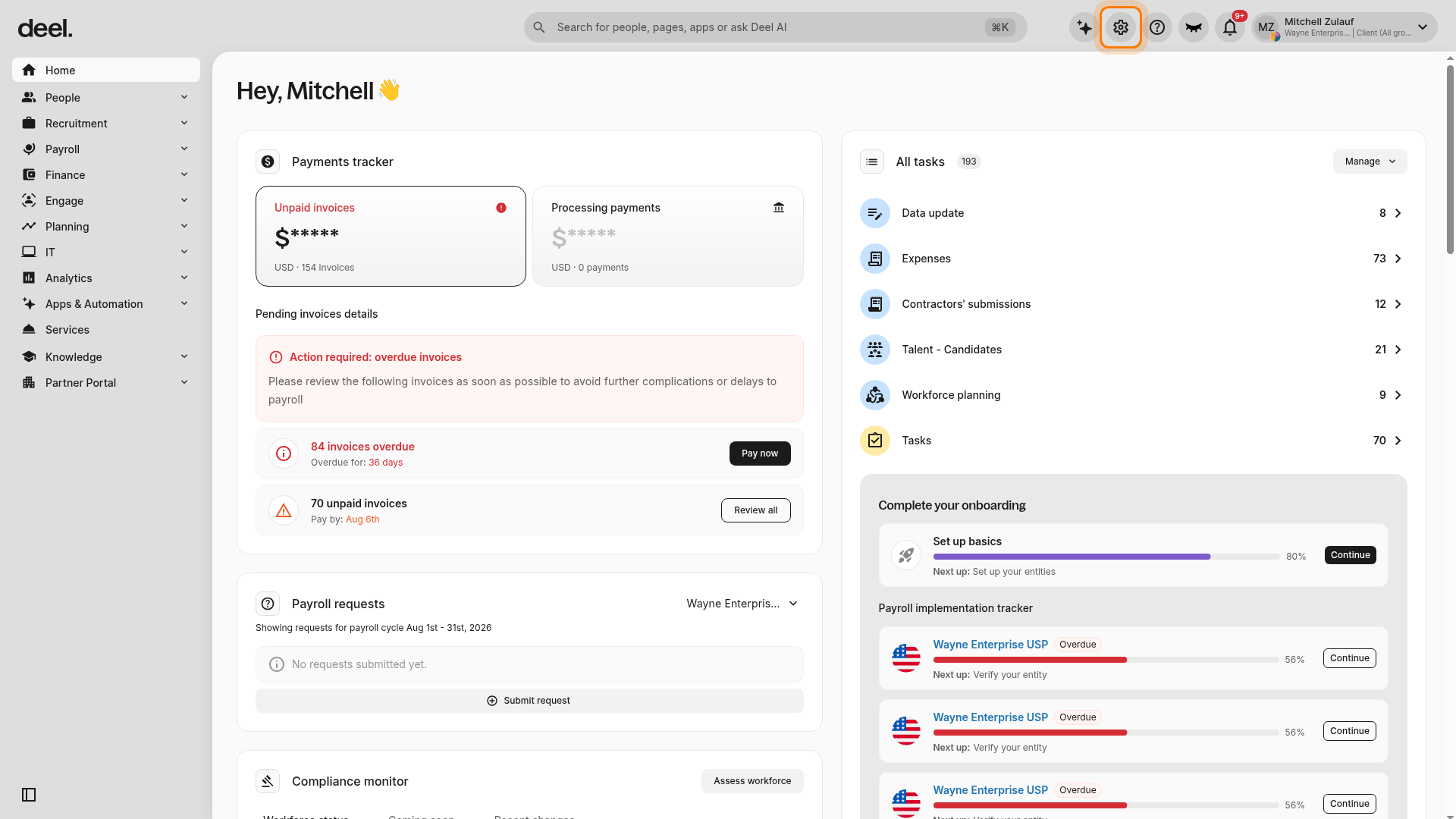
Deel makes my shortlist when you want EOR payroll and benefits administration alongside separate contractor and HR products.

EOR starts at USD 599 per employee per month, with month-to-month billing available. I’d budget beyond that fee: mandatory Employer Liability Cost is an additional charge based on gross salary, with rates varying by country. Salary, statutory employer costs and benefit premiums are also separate.

Contractor management starts at USD 49 per active contract per month. It is a separate service from EOR employment; currency conversion, payment-method charges and any required deposit also affect the amount funded.

Deposit

1–1.5 months

Entity model

Own entities and partners

First year, one hire

$7,188 in service fees

Reviewed by Martynas PupkeviciusFact-checked by Michael Ennis

Starting fee

$599

Month-to-month billing. Mandatory Employer Liability Cost is charged separately.

Against the 10 starting fees

$199 lowest$699 highest
3 Rippling logo Rippling 4.5/5 Rating Setting up payroll, laptops and app access for new hires Starting fee: $499 USD / monthDeposit: Per quoteOnboarding: 6–10 days

My take

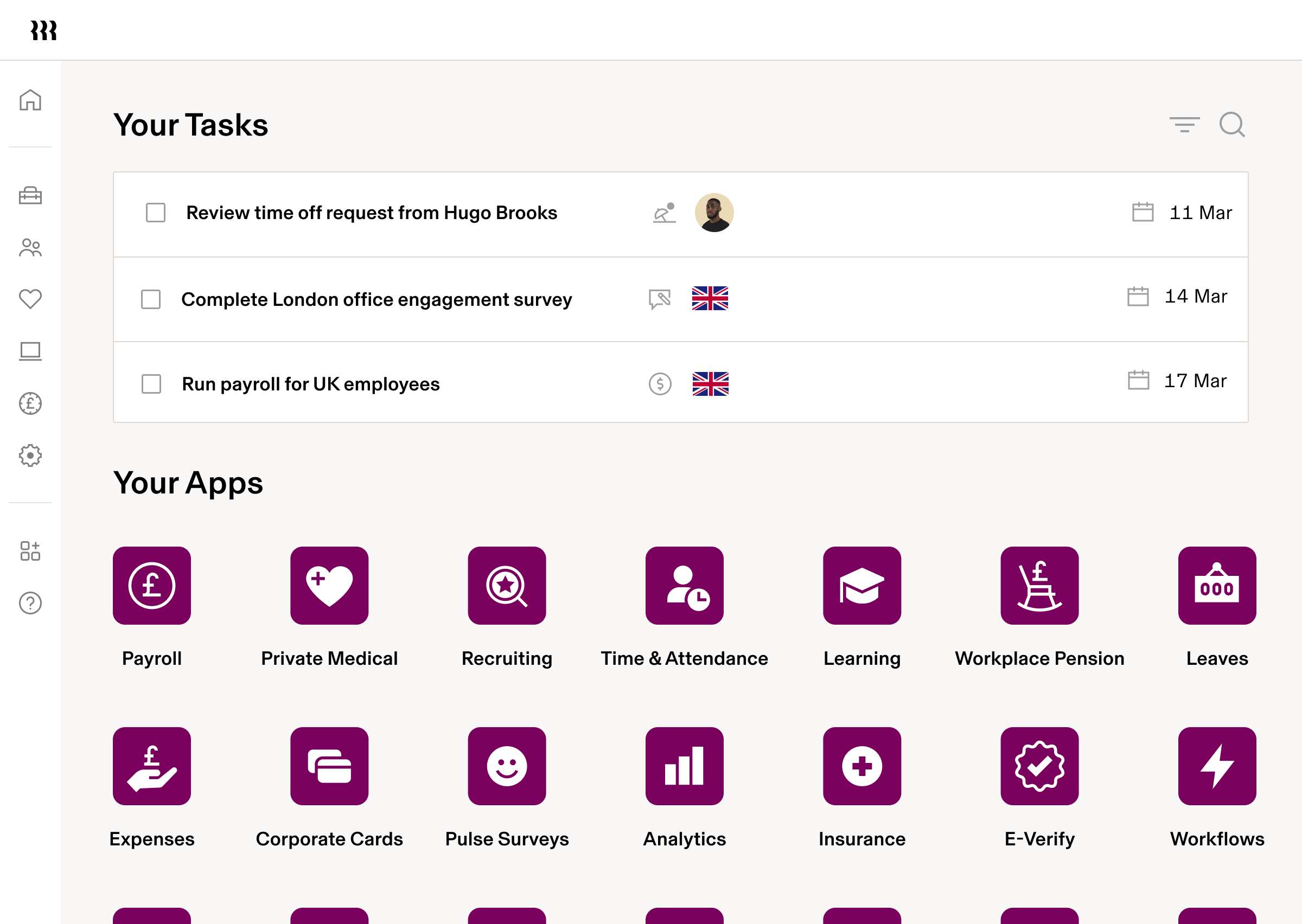
I’d consider Rippling when shared employee data across HR, IT and finance would help your workflows and reporting.

It connects EOR employment with those products, but device management and app access are separate products within the wider system.

Rippling EOR starts at USD 499 per employee per month, and the required Rippling Platform adds from USD 8 per employee per month plus a monthly base fee. The quote needs to show any selected HR, IT or finance products and the billing commitment. Salary, employer costs, benefits, deposits and payroll funding are additional to the software and service fees.

When this provider fits

Rippling is most relevant when the Pakistani hire joins an existing HR and IT workflow; Papaya is worth comparing when finance needs Pakistan in a consolidated payroll report. For a standalone hire, price the required platform and reporting scope against the local administration needed.

Deposit

Per quote

Entity model

Own entities and local partners

First year, one hire

$5,988 in EOR fees

Reviewed by Martynas PupkeviciusFact-checked by Michael Ennis

Starting fee

$499

Plus the required Rippling Platform, from $8 per employee per month and a monthly base fee. Confirm the billing terms and selected products.

Against the 10 starting fees

$199 lowest$699 highest
4 Pebl logo Pebl 4.2/5 Rating Hiring people who need visa or relocation support Starting fee: $399 USD / monthDeposit: Per quoteOnboarding: 7–12 days

My take

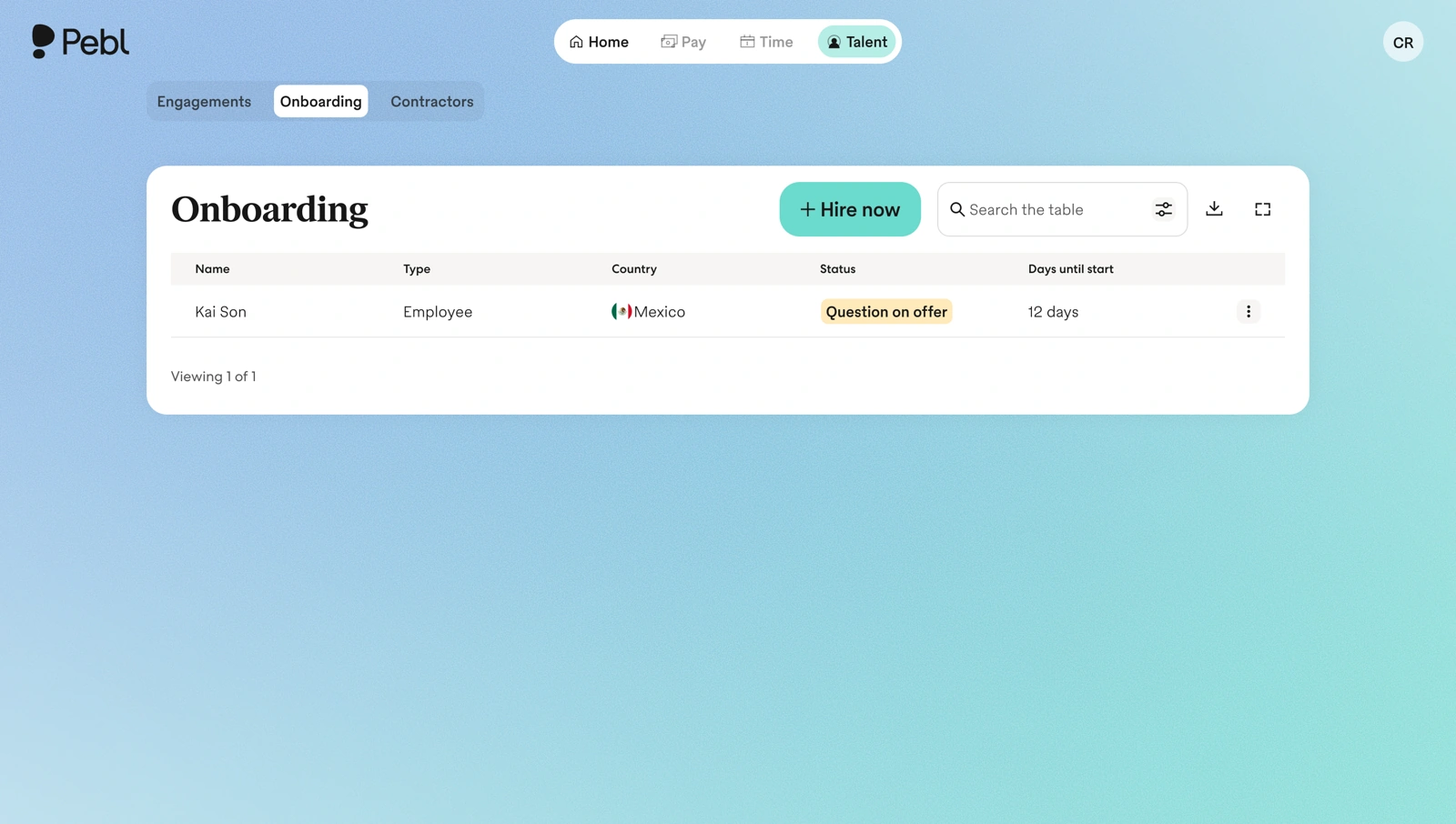
I’d look at Pebl, formerly Velocity Global, when you want hiring, payroll, employee changes, reporting and offboarding in one platform.

EOR starts at $399 per employee per month. Before using that figure in a budget, I’d have the country quote identify the dollar currency and billing commitment. Salary, employer costs, benefits and additional services are separate.

A deposit is required before onboarding. Its amount can change with salary, seniority or payment history, and it is returned after the final invoice and outstanding balances are paid. Early exit can make the remaining committed-term service fees payable, subject to the agreement’s termination exceptions. Any discounted offer needs an end date and renewal price.

When this provider fits

Pebl’s fit depends on the managed support included in the Pakistan proposal: named responsibilities, payroll follow-up and exit administration.

Deposit

Per quote

Entity model

Affiliates and local partners

First year, one hire

$4,788 in service fees

Reviewed by Martynas PupkeviciusFact-checked by Michael Ennis

Starting fee

$399

Confirm the country price and billing commitment.

Against the 10 starting fees

$199 lowest$699 highest
5 Multiplier logo Multiplier 4.1/5 Rating Managing payroll, leave and expenses in one place Starting fee: $459 USD / monthDeposit: 1+ monthsOnboarding: 6–10 days

My take

I’d start with Multiplier Core if you need employment administration, payroll, leave and standard workforce reporting.

Core starts at $499 per employee per month on monthly billing or $459 per month billed annually. For integrations, custom reports and open APIs, I’d compare the Growth plan. The quote needs to identify the dollar currency and chosen plan.

Country variations and mandatory add-ons affect the total. Implementation fees may apply, although the FAQ says setup is free; the quote must resolve that charge. Salary, employer costs and benefit premiums are additional.

Deposit

1+ months

Entity model

Own entities and partners

First year, one hire

$5,508 in service fees

Reviewed by Martynas PupkeviciusFact-checked by Michael Ennis

Starting fee

$459

Core plan billed annually, or $499 per month on monthly billing. Confirm the dollar currency.

Against the 10 starting fees

$199 lowest$699 highest
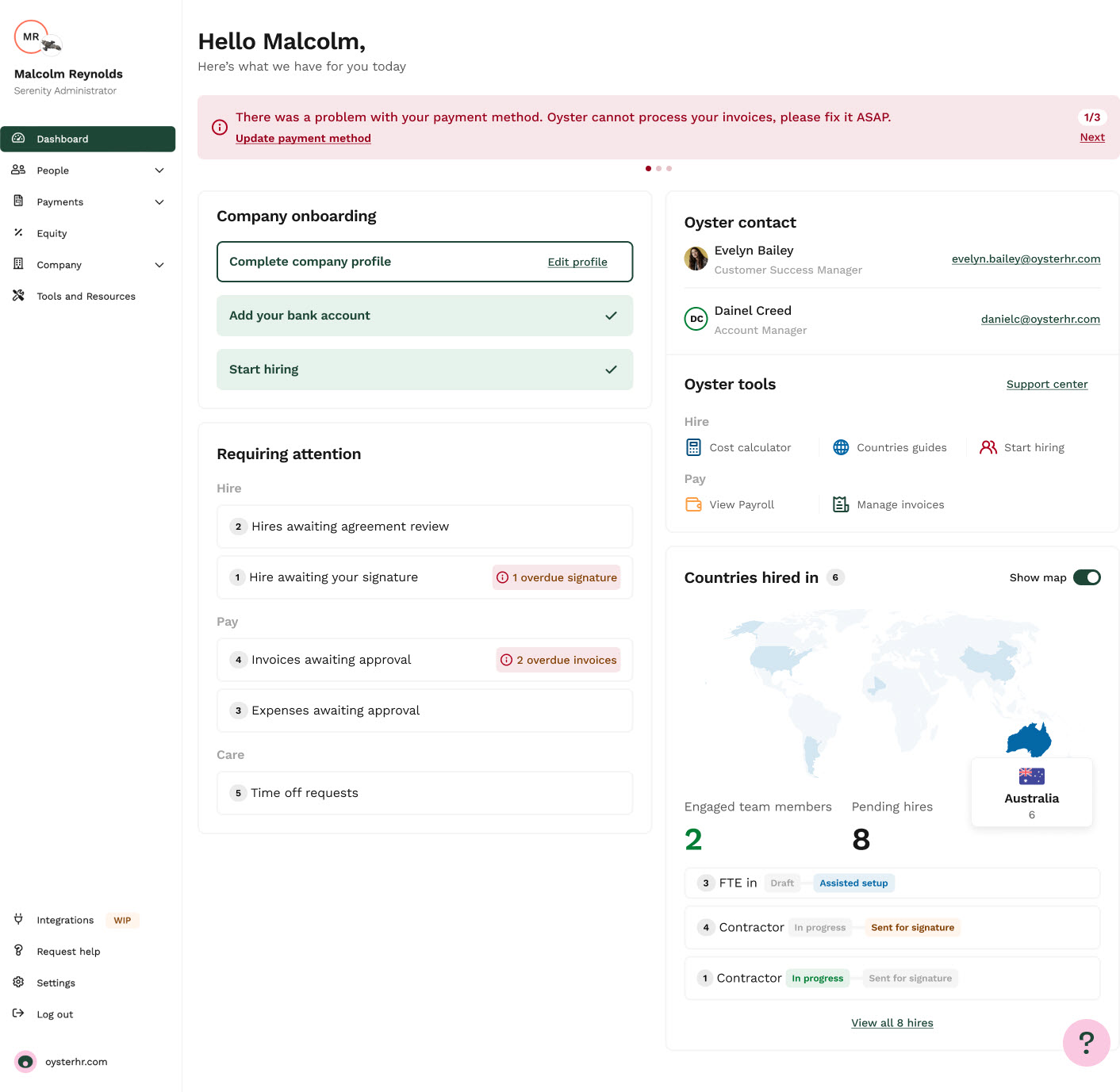
6 Oyster logo Oyster 4.5/5 Rating Using one onboarding process for hires across countries Starting fee: $699 USD / monthDeposit: ~1 monthOnboarding: 10–15 days

My take

I’d look at Oyster for payroll, expense and time-off administration, reporting, and onboarding and offboarding support.

Benefits packages are optional add-ons. At USD 699 per employee per month on monthly billing, I’d compare the included support carefully against the other quotes.

Annual seats are priced by headcount and location and are non-refundable, but can be reused for replacement hires. Annual prepayment gives the lowest fee; higher-priced quarterly or semiannual payment options are available. Salary, employer costs and benefit premiums are additional, and a refundable deposit is required. Optional People Partner project work costs USD 300 per hour.

Deposit

~1 month

Entity model

Own entities and vetted partners

First year, one hire

$8,388 in service fees

Reviewed by Martynas PupkeviciusFact-checked by Michael Ennis

Starting fee

$699

Monthly billing. Annual seats are quoted separately, prepaid and non-refundable.

Against the 10 starting fees

$199 lowest$699 highest
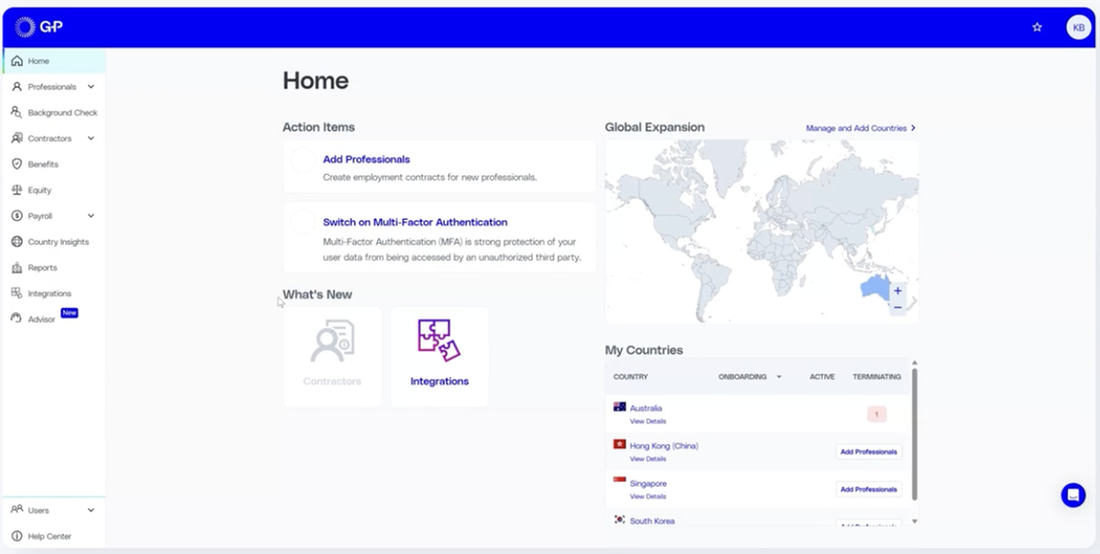
7 G-P logo G-P 4.2/5 Rating Hiring abroad while keeping your existing HR system Starting fee: $599 USD / monthDeposit: 1–2.5 monthsOnboarding: Not published

My take

G-P would be on my shortlist when benefits, reporting and custom API integrations matter alongside EOR employment administration.

EOR starts at USD 599 per employee per month, with volume discounts by quote. I’d keep salary, employer costs, benefit premiums and additional services separate in the budget.

There is no minimum contract length for EOR hires. The proposal still sets the commercial billing and cancellation terms, along with the cost of any integration or implementation work.

Deposit

1–2.5 months

Entity model

100+ own entities, plus partners

First year, one hire

$7,188 in service fees

Reviewed by Martynas PupkeviciusFact-checked by Michael Ennis

Starting fee

$599

Confirm the included services and billing terms in your country quote.

Against the 10 starting fees

$199 lowest$699 highest
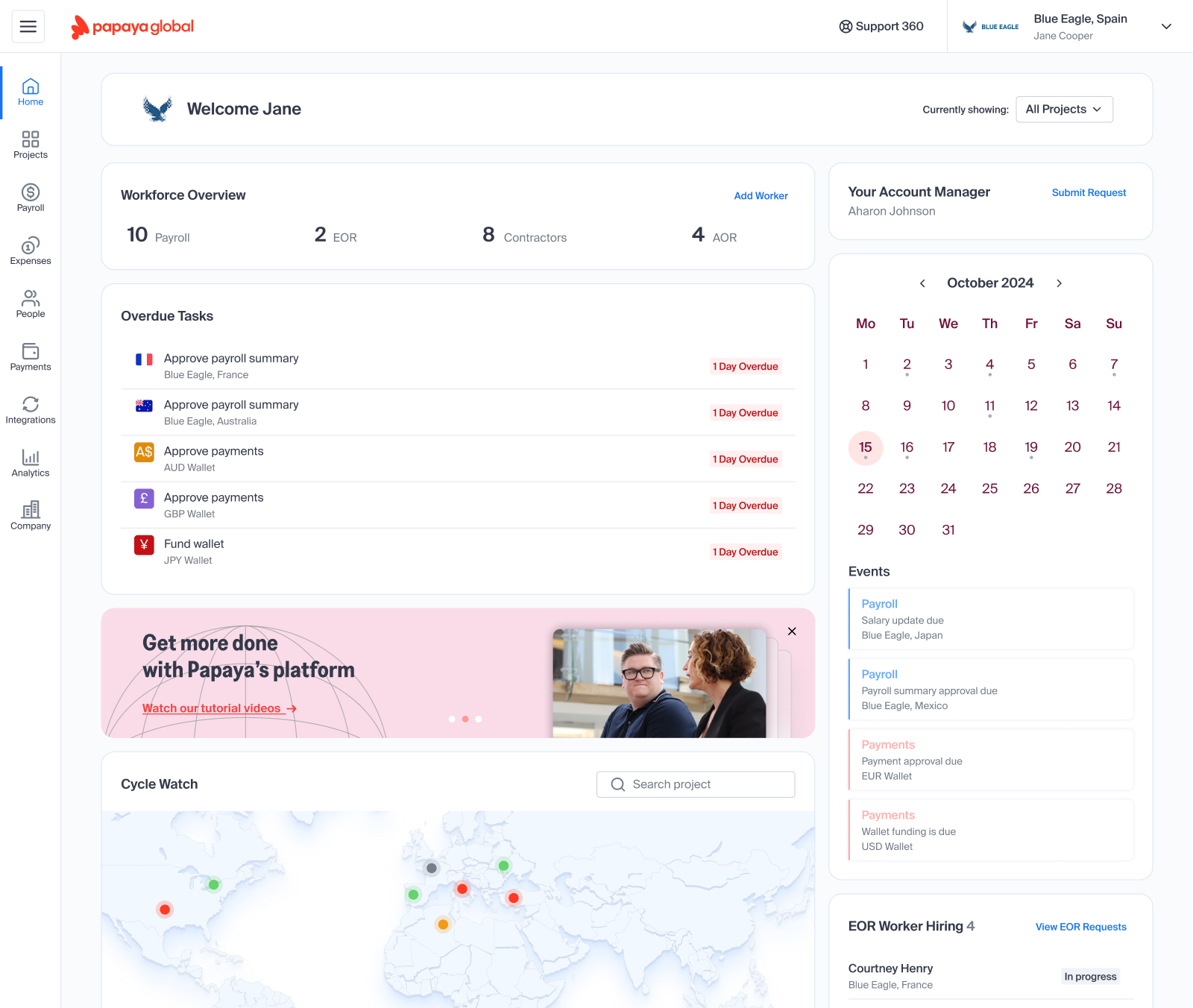
8 Papaya Global logo Papaya Global 4.1/5 Rating Comparing payroll costs across countries in one report Starting fee: $499 USD / monthDeposit: 1–2 monthsOnboarding: 8–12 days

My take

Papaya interests me when payroll and payments need to work together across EOR employees and your own entities.

It brings those employees, own-entity payroll and workforce payments into one platform, with consolidated reporting and payroll approval tools. That connection is what I’d focus on in the evaluation.

Papaya’s EOR service starts at USD 499 per employee per month. The country quote must identify the billing commitment and any additional services. Salary and employer costs are separate.

Deposit

1–2 months

Entity model

Partner model; confirm employer

First year, one hire

$5,988 in service fees

Reviewed by Martynas PupkeviciusFact-checked by Michael Ennis

Starting fee

$499

The country quote sets the billing terms. Payroll-only processing is priced separately.

Against the 10 starting fees

$199 lowest$699 highest
9 Borderless AI logo Borderless AI 4.0/5 Rating Getting 24/7 help with overseas payroll and HR Starting fee: $579 USD / monthDeposit: 1.5–3 monthsOnboarding: 8–14 days

My take

I’d compare Borderless AI using both its current offer and the fee after it ends.

The standard EOR fee is USD 579 per employee per month. Eligible companies headquartered outside Canada may qualify for USD 399 on fees billed through 31 December 2026. USD 579 applies from 1 January 2027, including promotional customers; country and employment-type exceptions apply. Salary, employer costs and benefits are additional.

A refundable deposit is required before the employee starts. The schedule is 1.5 months of gross salary plus employer costs, benefits and platform fees with ACH or three months by wire and other methods, with country variations. The base includes salary, employer contributions, benefits and platform fees. Late-payment issues can raise it to six months. Deposits are released after the relevant obligations are settled.

Deposit

1.5–3 months

Entity model

Own entities

First year, one hire

$6,948 in service fees

Reviewed by Martynas PupkeviciusFact-checked by Michael Ennis

Starting fee

$579

Eligible companies headquartered outside Canada can pay $399 on fees billed through 31 December 2026.

Against the 10 starting fees

$199 lowest$699 highest
10 RemoFirst logo RemoFirst ⚠ Trustpilot warning 0.5/5 Rating Making a first overseas hire on a tight budget Starting fee: $199 USD / monthDeposit: About 1 monthOnboarding: 5–9 days

My take

We moved RemoFirst to last place on 8 November 2026: Trustpilot has suspended its rating for a breach of its guidelines and removed fake reviews.

RemoFirst says it works exclusively with vetted in-country partners. Here, that means a local partner company, not RemoFirst, would normally employ your hire, and payroll changes, questions and exits pass through both companies, which can slow answers. US$199 is RemoFirst’s starting fee and varies by country, so get this country’s quote before you compare. RemoFirst’s lack of a minimum contract term or headcount makes it worth considering for a small team. I’d compare its dedicated customer success manager and EOR employment service from USD 199 per employee per month against the support you need. The fee can vary with country requirements. Salary, employer costs, benefits, deposits and optional services are separate.

Contractor management is free for onboarding, identity checks, contract storage and expenses. Contractor payments cost USD 25 per contractor in months when a payment is processed; payment-provider and transfer fees may also apply. These contractor services are separate from EOR employment.

Deposit

About 1 month

Entity model

Partners, not own entities

First year, one hire

$2,388 in service fees

Reviewed by Martynas PupkeviciusFact-checked by Michael Ennis

Starting fee

$199

RemoFirst advertises no minimum contract term or employee count. Confirm any country-specific charges.

Against the 10 starting fees
$199 lowest$699 highest
Which top pick · Pakistan

Pakistan flattens the usual entity question, so the shortlist comes down to what you are buying beyond the payroll itself. Most teams should compare RemoFirst’s $199 starting fee with RemotePeople Global from $499, or Select from $199 only where country and salary qualify, and confirm the account support and contractor-service terms. Platform buyers should compare Deel for compliance tooling and multi-country consistency, and Rippling if HR and IT already run there, using complete itemized quotes. Benefits-led teams look at Oyster despite the fee, because private medical cover is the differentiating perk in Pakistani offers. Ask for a written quote covering the salary, benefits and services you need. Enter its recurring costs in USD in the EOR cost calculator to compare proposals.

Local Pakistani alternatives (researched, unranked): several domestic firms provide EOR-style employment or payroll outsourcing inside Pakistan, including long-established HR outsourcing houses such as HRSG (Karachi) and People (Lahore), and consulting-led payroll operators such as Abacus Consulting. A domestic provider can be enough for a Pakistan-only employer comfortable contracting with a local company and invoicing in rupees; the global providers above add the USD invoicing layer, the multi-country dashboard and the exit path when you expand beyond Pakistan.

Get your EOR discount

Get up to 30% off eligible EOR service fees. Your quote confirms the discount and terms.

Employment framework

Employment and payroll in Pakistan

The province affects social security and benefits.

Employment rules vary by province. The payroll proposal also needs to address provincial social security, retirement benefits and rupee funding.

Identify the province that governs the hire

The 18th Amendment devolved labour matters to the provinces in 2010. Many employment statutes therefore have provincial versions: a Lahore hire and a Karachi hire fall under Punjab and Sindh law respectively.

Employment responsibilities and local registrations

You direct the work. The employing entity administers the employment relationship and applicable employer duties. Confirm the named local employer, relevant province and registrations in the proposal.

PKR payroll and statutory payments

EOBI contributions

Employer and employee contributions, with the applicable statutory wage base confirmed for the hire.

Provincial social security

Contributions where the employee falls within the relevant wage ceiling.

Income-tax withholding

Deductions under the Income Tax Ordinance 2001 and deposits with the Federal Board of Revenue.

Payslips and retirement benefits

Salary records and the applicable gratuity or provident-fund arrangement.

Where the establishment uses gratuity instead of a provident fund, confirm the entitlement and how the provider funds it. Ask whether the monthly invoice includes a reserve and how that reserve is reconciled at exit.

Confirm funding before the payroll cycle

1

Agree the currency and payment route

The State Bank of Pakistan operates an exchange-control regime under the Foreign Exchange Regulation Act 1947. Confirm how the EOR converts invoice funding through authorised dealers, pays the employee in PKR and handles any permitted outward payment.

2

Set the approval and remittance calendar

Agree invoice approval and funding dates alongside the contribution and withholding calendar. You continue to manage the employee’s work.

Employer cost

Statutory employer contributions in Pakistan

Compare gratuity with capped contributions.

All figures as of August 2026. Because EOBI and social security run on capped bases, the contribution load on a typical white-collar salary sits near or below roughly 5 percent; end-of-service gratuity or provident fund is the larger real cost.

Contribution Employer rate Base / cap Authority
Contribution

EOBI – old-age pension

Employee also pays 1%
Employer rate
5%
Base / cap
Statutory minimum wage, not actual salary
Authority
EOBI (federal)
Contribution

Provincial social security

PESSI, SESSI, KP and Balochistan equivalents
Employer rate
~6%
Base / cap
Wages up to the provincial ceiling; higher earners typically outside the scheme
Authority
Provincial institution
Contribution

Gratuity or provident fund

One end-of-service scheme required
Employer rate
~8.33% accrual
Base / cap
30 days' wages per completed year of service, or PF contributions instead
Authority
Standing orders law
Contribution

Workers' welfare levies

WWF and profit participation
Employer rate
Profit-based
Base / cap
Levied on company profits of larger establishments, not on payroll
Authority
FBR / provincial

Fig. 2 · Mandatory employer contributions in Pakistan, 2026 · both insurance-type schemes run on capped bases, which is why the headline load is low relative to gross

EOBI is charged on the statutory minimum wage whatever the actual salary, so the employer’s 5 percent works out to a small fixed rupee amount per head. Provincial social security applies to workers earning up to a wage ceiling each province sets; a typical software or finance salary sits far above it, so the line is often nil. What remains substantial is the end-of-service obligation: establishments covered by the standing orders law owe gratuity of 30 days’ wages per completed year of service unless they run a provident fund or pension instead, and a well-run EOR accrues that monthly at roughly 8.33 percent of wages. Add the customary private medical insurance that competitive employers carry, and the true recurring load sits well above the statutory contribution lines even though those lines are small.

Working time & leave

Working hours, overtime and statutory leave

Leave entitlements depend on the province.

Hours sit under the Factories Act 1934 and the provincial shops and establishments laws: a 48-hour week, a 9-hour day and double-rate overtime. Leave splits into annual, casual and sick, with the exact counts set province by province.

Hours and pay

Standard week 48 hours
Standard day 8–9 hours
Overtime rate 2.0× ordinary
Weekly rest 1 day (usually Sunday)
Public holidays/yr ~10–14, gazetted annually

Fig. 3 · Hours and overtime in Pakistan · 48-hour week with overtime at twice the ordinary rate

Overtime for covered workers is paid at twice the ordinary rate under the Factories Act and the provincial shops laws. The federal government gazettes each year’s public holidays, a list built around the two Eids, Ashura, Eid Milad-un-Nabi, Pakistan Day, Independence Day and Quaid-e-Azam Day; working hours shorten in practice during Ramadan across much of the economy.

Statutory leave (typical provincial pattern)

Annual leave
After 12 months' continuous service
14 days
Casual leave ~10 days
Sick leave Punjab factories: 16 days at half average pay
Maternity Depends on applicable provincial/federal law
Paternity None in most provinces

Fig. 4 · Statutory leave in Pakistan · counts vary with the governing provincial statute

The classic package under the shops and factories legislation is 14 days of annual leave after a year of continuous service, around 10 days of casual leave, and sick leave of roughly 8 days on full pay or 16 on half pay depending on which statute governs the establishment. Maternity entitlement depends on the governing law: the 1958 Ordinance provides six weeks before and six after childbirth for qualifying employees, while the 2023 Act for establishments under federal administrative control provides 180, 120 and 90 days for the first, second and third birth. Check the relevant provincial successor law. White-collar employment contracts commonly consolidate all of this into a single annual-leave figure of 20 days or more, which an EOR reflects in the contract while keeping the statutory floors intact.

Ending employment

Probation, notice and severance in Pakistan

Budget for gratuity when the employment ends.

One month’s notice, a documented process for any misconduct dismissal, and an end-of-service gratuity that behaves like deferred salary. Pakistan is not an at-will jurisdiction, so the EOR papers every exit.

Mechanism Notice Severance / compensation
Mechanism
Probation
Notice
Typically 3 months
Severance / compensation
Termination during probation attracts no gratuity
Mechanism
Ordinary termination (permanent worker)
Notice
1 month or pay in lieu
Severance / compensation
Gratuity: 30 days' wages per completed year (if no provident fund)
Mechanism
Dismissal for misconduct
Notice
None, after due process
Severance / compensation
Charge sheet, inquiry and a chance to respond required; gratuity can be forfeited in defined cases
Mechanism
Resignation
Notice
1 month by contract norm
Severance / compensation
Gratuity still payable on completed years

Fig. 5 · Notice and severance by mechanism · gratuity of 30 days’ wages per completed year is the main exit cost

The standing orders framework requires one month’s written notice, or wages in lieu, to terminate a permanent workman, and a stated reason; dismissal for misconduct must follow a documented process of charge sheet, inquiry and an opportunity to be heard, or a labour court can order reinstatement or compensation. The gratuity obligation is the piece that surprises foreign employers: 30 days’ wages for each completed year of service, payable on termination or resignation alike where the employer runs gratuity rather than a provident fund. It behaves like an extra month of salary accruing every year, which is why a good EOR prices it into the monthly cost from day one rather than presenting a lump-sum bill at exit.

Terminating a 3-year employee on Rs150,000/month 30 days' wages = Rs150,000 per completed year

Notice (statutory)

One month, paid in lieu = one month gross
Rs150,000

Gratuity

30 days × 3 completed years (no provident fund in place)
Rs450,000

Accrued unused annual leave

Assume 10 days × Rs5,000 daily wage
Rs50,000

Indicative exit cost

Before any negotiated settlement
Rs650,000

Fig. 6 · Termination after 3 years at Rs150,000/month · about $2,300 at roughly Rs280 to the dollar

Identify the province and covered worker category before pricing gratuity. For covered Sindh workers, the provident-fund exception depends on the employee’s participation, the employer’s contribution, the service period covered and the statutory payout safeguard. The termination across jurisdictions guide runs the same exit math for every country.

What must a provident fund replace?

For a covered worker in Sindh, a qualifying provident-fund arrangement can displace gratuity for the period during which the fund exists. The worker must contribute, the employer’s contribution must be no smaller, and the amount paid from the fund must not fall below the gratuity otherwise admissible under the Act.

Ask the employer to identify the scheme, contribution shares, enrolment date and treatment of earlier service. If a fund starts after employment began, separate the earlier period rather than assuming the new arrangement erases it. Then compare the final fund payment with the applicable gratuity entitlement. This is a Sindh example for a worker within the Act’s scope; a Lahore offer needs its own currently operative Punjab law and coverage assessment before the same treatment is used.

Payroll & tax

Payroll cycle, income tax and the currency rules

Rupee payroll follows a July-to-June tax year.

Monthly payroll in rupees, monthly withholding for the FBR on a July-to-June tax year, and a State Bank exchange-control regime that shapes how the money gets in.

Income tax is withheld at source under section 149 of the Income Tax Ordinance 2001: the employer withholds at the applicable average rate on estimated salary income for the tax year and deposits it with the Federal Board of Revenue. The EOR runs the monthly computation, deposits the tax, files the employer withholding statements and issues the annual salary certificate the employee needs to file.

Recalculate salary tax when the annual package changes

A PKR 225,000 monthly salary produces PKR 2.7 million over twelve months before other salary items. Agreeing a PKR 225,000 bonus raises that simple annual illustration to PKR 2.925 million. Payroll must classify the payment and use the relevant tax-year rules; the tax estimate should not remain frozen at the basic-salary figure. Section 149 bases withholding on the employee’s average rate calculated from estimated salary income for the tax year.

Before approving a raise or bonus, request the revised annual estimate, the resulting deduction schedule and an updated employee-facing pay illustration. That helps distinguish an employer cost increase from a change in net pay.

Payroll is monthly, normally paid at month end into a local bank account, and it is paid in Pakistani rupees: residents are compensated in PKR, and the rupee has traded around Rs280 to the US dollar in recent years, so a $199 fee is roughly Rs55,700 and a Rs225,000 salary about $805. There is no statutory 13th month. EOBI contributions and any provincial social security run on the same monthly cycle, and the payslip shows the employee’s 1 percent EOBI share and income-tax deduction.

Under the Foreign Exchange Regulation Act 1947, the State Bank of Pakistan controls foreign-currency movement: conversion runs through authorised dealer banks, outward remittances need a permitted purpose, and a foreign company cannot simply wire salaries into Pakistan each month without the arrangement being characterised properly. Paying a full-time person as a contractor via home-remittance channels is common but leaves classification and documentation risk on both sides.

The employment contract

Contract requirements and bonus norms

Check how worker category affects the appointment letter.

Employment contracts are written in English as standard practice and set out the role, gross salary, working hours, leave, probation, notice and place of work. The standing orders framework requires workmen to receive a formal appointment letter stating their terms, and the distinction between a workman and managerial or administrative staff matters throughout Pakistani labour law: statutory protections around dismissal, overtime and bonus attach most strongly to the workman category, while senior white-collar terms are governed mainly by the contract itself. The EOR issues a compliant contract for either case and keeps the statutory floors, leave and gratuity terms explicit.

Fixed-term and probationary arrangements are both routine. Probation typically runs three months, during which termination is simpler and gratuity has not begun to accrue in practice; after confirmation, the notice and process rules described above apply. Repeatedly renewing short fixed-term contracts to cover genuinely permanent work is the same red flag it is in most jurisdictions, and a labour forum can treat the arrangement as permanent employment, so the EOR uses fixed terms only for genuinely time-bound work.

On pay extras: there is no statutory 13th-month salary. Profitable industrial and commercial establishments owe their workers an annual bonus under the standing orders law, and a customary bonus around Eid-ul-Fitr, often framed as an Eid bonus of up to a month’s salary, is widespread though not universally mandatory for white-collar staff. Competitive offers also carry private medical insurance for the employee and often dependents, a provident fund at matched employee-employer contributions, and sometimes fuel or internet allowances. Write every promised extra into the contract as guaranteed or discretionary; the EOR pays it through payroll with tax withheld.

Division of responsibility

What the EOR handles, and what stays with you

Record who directs the work and who employs the worker.

If contractor status is challenged, a labour forum can examine who directed the work.

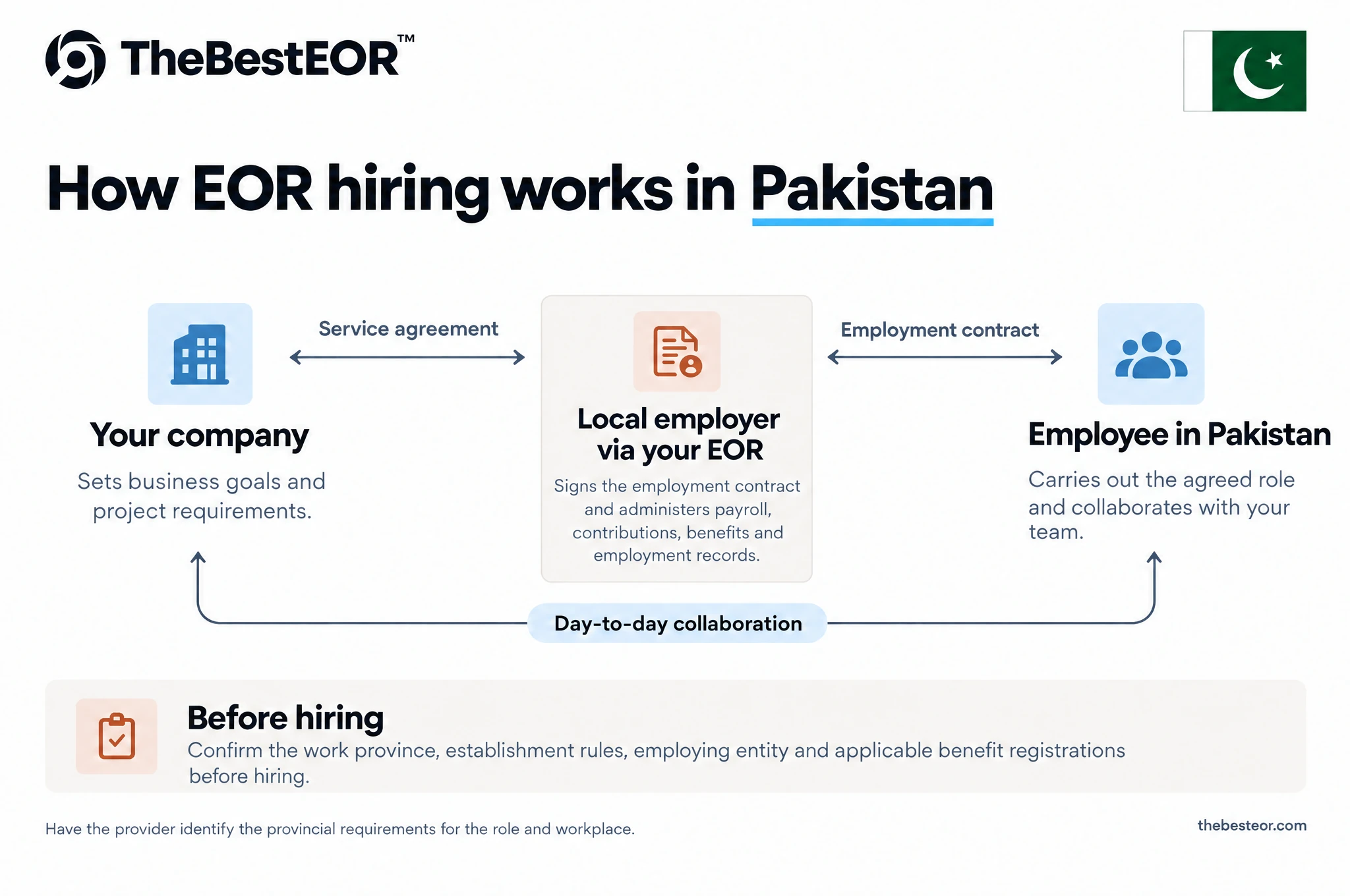
Employer of record in Pakistan diagram showing the service agreement, employment contract, and day-to-day collaboration between your company and the employee.
Employer of record in Pakistan: how your company, the local employer and the employee work together. Select the image to enlarge.

The EOR handles

1
Legal employer status on the local entity, and the statutory exposure with it
2
EOBI registration and monthly employer and employee contributions
3
Provincial social security enrolment where the wage ceiling applies
4
Monthly income-tax withholding, FBR deposit and employer statements
5
Gratuity accrual or provident fund administration
6
The compliant employment contract and appointment letter
7
Leave administration under the governing provincial statute
8
PKR salary payment and all rupee-side currency conversion
9
Compliant offboarding: notice, documented process, final settlement

You keep

1
What the work is and how it gets done, day to day
2
Every pay decision: the gross, any bonus, any allowance
3
Deciding who gets hired and when someone goes
4
Performance management, and the evidence behind any exit
5
Laptops and tooling, bought on your budget
6
The commercial relationship, and the IP assignment terms the contract must carry for you

Misclassification exposure in Pakistan looks like everywhere else, with a currency twist: a contractor on fixed hours under your direction can be re-characterised as an employee, with back EOBI and social security contributions, withholding tax and gratuity in the reckoning, and the monthly foreign remittances that paid them become part of the story. Routing the same person through an EOR puts them on a compliant contract with contributions running from day one. The misclassification guide covers the control and integration tests labour forums apply.

Work permits

Work visas for foreign nationals in Pakistan

Check who can sponsor the foreign hire’s work visa.

Item Position (2026) Detail
Item
Who sponsors
Position (2026)
The employing entity
Detail
For EOR hires that means the local partner company, so confirm capability in writing first
Item
Route
Position (2026)
Work visa with federal approval
Detail
Applications are recommended through the Board of Investment channel
Item
Validity
Position (2026)
Typically 1–2 years
Detail
Extendable while employment continues
Item
Timeline
Position (2026)
Weeks, not days
Detail
Plan the start date around approval, not the other way round
Item
Who needs none of it
Position (2026)
Pakistani citizens
Detail
Including dual nationals and NICOP-holding overseas Pakistanis returning to work

Fig. 7 · Work authorization in Pakistan, 2026 · employer-sponsored, federally approved, and rarely relevant to EOR hiring

If your Pakistan hire is a citizen or an overseas Pakistani with a NICOP, no work authorization enters the picture and every provider here can employ them immediately. If the hire is a foreign national, the sponsoring company must be the employing entity, which for every provider here means a local partner, so treat sponsorship as a capability to verify in writing before the candidate resigns anywhere, and expect the process to add weeks to the start date. Foreign-national EOR employment into Pakistan is uncommon enough that several providers will simply decline the case, which is better discovered before the offer letter than after.

Salary benchmarks

Indicative salary ranges

The ranges cover Karachi, Lahore and Islamabad.

Monthly gross in rupees with a USD equivalent at roughly Rs280 to the dollar. Ranges are representative 2026 market bands for Karachi, Lahore and Islamabad; treat the midpoint as a starting offer and expect senior technical talent with foreign-client experience to quote higher.

Check current pay data for the role and location before you make an offer.

Role Gross Rs/month USD/month (approx)
Role
Software engineer
Gross Rs/month
Rs150,000–350,000
USD/month (approx)
$535–1,250
Role
Senior software engineer
Gross Rs/month
Rs300,000–600,000
USD/month (approx)
$1,070–2,145
Role
Product manager
Gross Rs/month
Rs250,000–550,000
USD/month (approx)
$895–1,965
Role
Accountant (ACCA/CA)
Gross Rs/month
Rs100,000–250,000
USD/month (approx)
$355–895
Role
Customer support
Gross Rs/month
Rs60,000–140,000
USD/month (approx)
$215–500
Role
Sales manager
Gross Rs/month
Rs150,000–350,000
USD/month (approx)
$535–1,250
Role
HR manager
Gross Rs/month
Rs150,000–320,000
USD/month (approx)
$535–1,145
Role
UX designer
Gross Rs/month
Rs120,000–280,000
USD/month (approx)
$430–1,000

Fig. 8 · Role salary benchmarks for Pakistan, 2026 · representative market bands, converted at ≈ Rs280 = USD 1

Talent clusters in Karachi, Lahore and Islamabad-Rawalpindi, with Faisalabad and Peshawar emerging for support and back-office roles at 20 to 30 percent less. Experienced engineers commonly field offers from foreign employers paying in dollars, so a candidate weighing your PKR offer against a remote USD contract will value the stability, contributions and gratuity an EOR employment carries; make that part of the pitch.

Fully-loaded cost

What a Pakistani engineer costs per month

See how the EOR fee affects a Rs225,000 monthly hire.

The $199, $499 and $699 fees are illustrative inputs for the same hire. For a different salary, estimate employer payroll costs in Pakistan.

Software engineer, Lahore Gross base: Rs225,000/month
Gross salary Rs225,000

EOBI employer contribution

5% of the statutory minimum wage, not of gross
~Rs1,900 at an illustrative Rs38,000 base

Provincial social security (PESSI)

Not payable: salary above the provincial wage ceiling
Rs0

Gratuity accrual

30 days' wages per year ≈ 8.33% of gross, smoothed monthly
Rs18,743

EOR fee illustration

RemoFirst $199 ≈ Rs55,700
⚠ Trustpilot warning: rating suspended for a breach of its guidelines; fake reviews removed
Rs55,700

Monthly total, cheapest fee

Annual ≈ Rs3.62 million (about $12,900)
Rs301,343

Fig. 9 · Fully-loaded monthly cost, software engineer in Lahore · contribution lines near 1% because both bases are capped; gratuity accrual is the real statutory weight

The contribution lines are tiny at this salary because EOBI runs on the minimum wage and social security stops at the provincial ceiling, and the gratuity accrual of about 8.33 percent is the line that moves the total. Swap the fee tier and the total shifts: an illustrative $499 fee (≈ Rs139,700) lands at Rs385,343/month, and Oyster at $699 (≈ Rs195,700) at Rs441,343/month. At Pakistani salary levels the fee, not the statutory load, is by far the biggest lever on total cost.

This illustration assumes an EOBI contribution base of Rs38,000, giving 5% employer contribution of Rs1,900. Actual EOBI payroll must use the applicable federally notified base; a provincial minimum wage does not automatically set it.

EOR vs your own entity

EOR or your own private limited company: compare costs

Factor EOR Your own Pvt Ltd (SECP)
Factor
Setup cost
EOR
None
Your own Pvt Ltd (SECP)
Modest filing fees; legal and advisory costs dominate
Factor
Time to first hire
EOR
5–15 days
Your own Pvt Ltd (SECP)
Weeks: SECP incorporation, FBR NTN, bank account, EOBI and social security registrations
Factor
Per-employee cost
EOR
$199–699/employee/mo fee + statutory
Your own Pvt Ltd (SECP)
Statutory only, plus shared overhead
Factor
Ongoing admin
EOR
Provider runs payroll & filings
Your own Pvt Ltd (SECP)
Monthly withholding statements, annual return, audit where required, your own payroll
Factor
Currency & repatriation
EOR
One foreign-currency invoice to the provider
Your own Pvt Ltd (SECP)
Capital injection, SBP-governed remittances and repatriation on you
Factor
Compliance liability
EOR
On the EOR
Your own Pvt Ltd (SECP)
On you and your directors
FAQ

EOR in Pakistan: common questions

Check the wage base, gratuity and notice period.

The numbers that settle each Pakistan question: the 5 percent EOBI rate on the minimum-wage base, the provincial wage ceiling, 30 days’ gratuity per year, and one month’s notice.

What is the best EOR in Pakistan?

RemotePeople is our top pick for Pakistan in 2026 (4.9/5), followed by Deel (4.7/5) and Rippling (4.5/5). We opened paid accounts with all 10 providers on this page, priced real hires and ran payroll.

RemotePeople offers recruitment and EOR through one provider, with a dedicated account manager on both EOR plans. RemotePeople’s EOR Global plan starts at USD 499 per employee per month, and EOR Select at USD 199 where the hire qualifies. Deel starts at USD 599 plus a mandatory Employer Liability Cost; Rippling starts at USD 499 plus its required platform subscription.

How does an employer of record work in Pakistan?

An employer of record in Pakistan becomes the worker’s legal employer through a local employing entity, while your company directs the day-to-day work. The EOR registers the employee with EOBI and, where the wage ceiling applies, provincial social security. It withholds income tax monthly and deposits it with the FBR, administers gratuity or provident fund, and pays salary in PKR.

How fast can an EOR onboard an employee in Pakistan?

Estimated onboarding times for Pakistan range from 5 to 15 days across the providers we tested that give an estimate. By provider: RemotePeople 5–8 days, Deel 5–10 days, Rippling 6–10 days, Multiplier 6–10 days and Oyster 10–15 days.

The time goes to the partner’s document checks, the employment contract, and registration of the hire for EOBI and, where the wage ceiling applies, provincial social security.

How much does an EOR cost in Pakistan per month?

Published service fees for Pakistan run from USD 199 to USD 699 per employee per month across the 10 providers we tested: RemoFirst from USD 199; RemotePeople Global from USD 499, or Select from USD 199 only where country and salary qualify; Deel from USD 599 plus mandatory Employer Liability Cost; G-P from USD 599; Oyster USD 699 on monthly billing, with annual seats quoted separately. Multiplier Core advertises $499 monthly or $459 per month billed annually; Pebl advertises $399, with currency and commitment to confirm. Rippling starts at USD 499 plus its required platform from USD 8 per employee, and Papaya Global at USD 499. Borderless AI is USD 579 standard, with an eligible USD 399 promotion on fees billed through 31 December 2026. All amounts are per employee/month; salary and employment costs are separate. 

On top of the fee you pay the gross salary plus employer contributions of roughly 5 percent, low because EOBI and provincial social security are levied on capped wage bases, plus any gratuity or provident fund accrual.

What employer contributions are mandatory in Pakistan?

EOBI pension contributions, with the employer paying 5 percent and the employee 1 percent, both calculated on the statutory minimum wage rather than actual salary. Provincial social security (PESSI in Punjab, SESSI in Sindh) adds an employer contribution of about 6 percent for workers earning up to the provincial wage ceiling; many white-collar salaries sit above it. Commercial and industrial establishments must also provide gratuity, a provident fund or a pension at the end of service.

Do I have to pay salaries in Pakistani rupees?

Employees resident in Pakistan are paid in PKR into local bank accounts, and the State Bank of Pakistan’s exchange-control regime governs how money moves in and out of the country. An EOR absorbs that friction: you pay one invoice abroad in USD or EUR, and the EOR’s local entity converts and pays salaries, contributions and withholding tax in rupees.

How much notice and severance applies when terminating in Pakistan?

A permanent worker is entitled to one month’s written notice or pay in lieu. On top of notice, end-of-service gratuity of 30 days’ wages per completed year of service is owed where the employer runs gratuity rather than a provident fund, so a three-year employee on Rs150,000 a month leaves with about Rs450,000 in gratuity before notice pay. Dismissal for misconduct must follow a documented process under the standing orders.

Is there a 13th-month salary in Pakistan?

No statutory 13th month exists. Industrial and commercial establishments that declare a profit owe their workers an annual bonus under the standing orders law, and many employers pay a customary bonus around Eid. For white-collar staff above the workman category, bonuses are contractual, so write any bonus into the employment contract as guaranteed or performance-linked.

Does employment law vary by province in Pakistan?

Yes. Since the 18th Amendment devolved labour law in 2010, each province legislates its own versions of the shops and establishments, factories and social security statutes. Punjab and Sindh, where most EOR hires land, run separate social security institutions (PESSI and SESSI), set their own minimum wages, and have restated their labour codes on different timetables. A national EOR tracks the provincial differences so you do not have to.

Can I convert a Pakistani contractor to an EOR employee?

Yes. A contractor working fixed hours under your direction risks being treated as an employee, with back contributions and tax withholding owed; and paying that contractor from abroad runs through Pakistan’s exchange-control machinery every month.

Sources and as-of dates

Article references

The statutes below set the rules; the institutions beside them collect the money. Everything is dated August 2026.

Hiring facts Checked 2 Oct 2026

Hiring facts

Checked 2 October 2026
Eligibility, local and collective rules apply. EOR fees extra.

Employees' Old-Age Benefits Act 1976 1 source

The Ministry’s EOBI contribution FAQ states monthly contributions of 5% from the employer and 1% deducted from the employee, calculated on minimum wages notified by the Federal Government for insurable employment. Confirm the applicable EOBI wage base; a province’s general minimum wage should not automatically be substituted.

Provincial Employees' Social Security Ordinance 1965 (provincial versions) 2 sources

Social-security coverage and contribution rules depend on the province. In Sindh, section 20 of the Employees’ Social Security Act 2016 specifies an employer contribution of 6%, subject to the statutory wage limits and conditions. Confirm the current wage base, ceiling and coverage with the relevant provincial institution before costing payroll.

Industrial and Commercial Employment (Standing Orders) Ordinance 1968 (and provincial re-enactments) 4 sources

The cited Standing Orders text requires written employment terms, generally one month’s notice or pay in lieu for covered permanent workmen, and gratuity of 30 days’ wages per completed year or part exceeding six months on qualifying separation. Provident-fund and approved-pension exceptions have specific statutory conditions. Profit-related bonus also has eligibility conditions. Apply the current provincial law and establishment coverage.

Factories Act 1934 and provincial shops and establishments laws 4 sources

Maternity benefit legislation (West Pakistan Maternity Benefit Ordinance 1958 and successor provincial and federal-territory laws) 3 sources

Maternity entitlement depends on the applicable law. The 1958 Ordinance provides six weeks before and six weeks after childbirth at the last-paid wage, with a four-month employment qualification. The federal Maternity and Paternity Leave Act 2023 applies to establishments under federal administrative control and provides full-pay maternity leave of 180, 120 and 90 days for the first, second and third birth respectively. Check the relevant provincial successor law.

Income Tax Ordinance 2001, s.149 4 sources

Salary withholding is governed by section 149 of the Income Tax Ordinance; use the rates for the relevant tax year. The normal tax year runs from 1 July to 30 June. FBR’s current rate-card listing identifies Tax Year 2027 as updated through the Finance Act 2026. Employee returns are filed through Iris; employer withholding and remittance obligations should be checked against the current Ordinance and Rules.

Foreign Exchange Regulation Act 1947 and the SBP Foreign Exchange Manual 3 sources

The SBP Foreign Exchange Manual governs currency conversion and outward remittances through authorised dealers. Applications require the prescribed form and supporting documents, with SBP approval where required. Foreign exchange must be used for its authorised purpose. These provisions do not set a blanket rule that every resident’s salary must be paid in PKR.

18th Constitutional Amendment (2010) 3 sources

The 18th Amendment removed the Concurrent Legislative List and devolved its subjects, with existing laws continuing until changed by the competent authority. Labour requirements therefore need province-specific checking. Minimum-wage budgets should be followed through to the applicable legal instrument: Sindh’s Act, for example, provides for Gazette notifications and their effective dates.

Company incorporation 2 sources

A private limited company can apply through SECP’s eZfile portal. SECP forwards incorporation information to FBR through its integrated NTN-registration process; FBR issues the NTN when the information is complete and accurate. Employers should separately establish whether EOBI and the relevant provincial social-security scheme cover their establishment and workers.

Salary benchmarks 1 source

PayScale provides Pakistan software-engineer annual base and total pay, based on 490 profiles updated on 8 July 2026. Rs280 per USD is an illustrative conversion.

Provider pricing, entity model and onboarding 10 sources

Further sources 3 sources

Ministry of Overseas Pakistanis: EOBI FAQ — Employer 5% and employee 1% on the federally notified minimum-wage base. Accessed 19 October 2026.

FBR Income Tax Ordinance consolidated through 2026 — Section 149 salary withholding at average rate on estimated salary income for the tax year. Accessed 19 October 2026.

Sindh Terms of Employment (Standing Orders) Act 2015 — Sindh’s covered-worker provident-fund exception: employee participation, employer contribution no lower than the employee’s, the period covered and a payout safeguard at least equal to admissible gratuity. Other provincial regimes require separate assessment. Accessed 19 October 2026.

The country guides cover other markets. For this hire, browse EOR providers for Pakistan and use the EOR cost calculator to compare the recurring amounts in your proposals in USD.

This guide is for general information only and does not provide legal, tax, accounting, or financial advice. For advice about your business, consult a qualified professional familiar with the rules where you hire. The research methodology explains how TheBestEOR assesses sources.