Remote (Remote.com) alternatives for employer of record services
Deel, G-P and Oyster provide different starting points for replacing Remote, depending on whether the problem is workforce administration, an employment transition or the employee benefit package. The first step is to identify which Remote products and responsibilities a replacement must cover. This guide compares those alternatives and the circumstances in which staying may be sensible. It also examines billing commitments, reserves, benefit continuity and payroll readiness, so a proposed improvement can be weighed against the work and cost of moving.
Replacing payroll for your own entity, contractor payments or an HR system is a different purchase. List the Remote products you use before requesting replacement proposals.
When staying with Remote makes sense
Remote says its own entities employ EOR workers. If your employees get the support they need and payroll runs smoothly, identify a specific improvement before moving them.
First ask whether the issue can be fixed within the present arrangement. A missing report may need a different export; an unclear invoice may need a written explanation; a support complaint may need an agreed escalation route. Record what Remote will change and by when. If it cannot close a material gap, that record becomes a useful specification for the next provider.
Stay especially cautious about changing employer arrangements while an employee has an active leave, immigration or employment issue. Ask the providers and qualified local advisers how the proposed transfer affects that person before choosing a date.
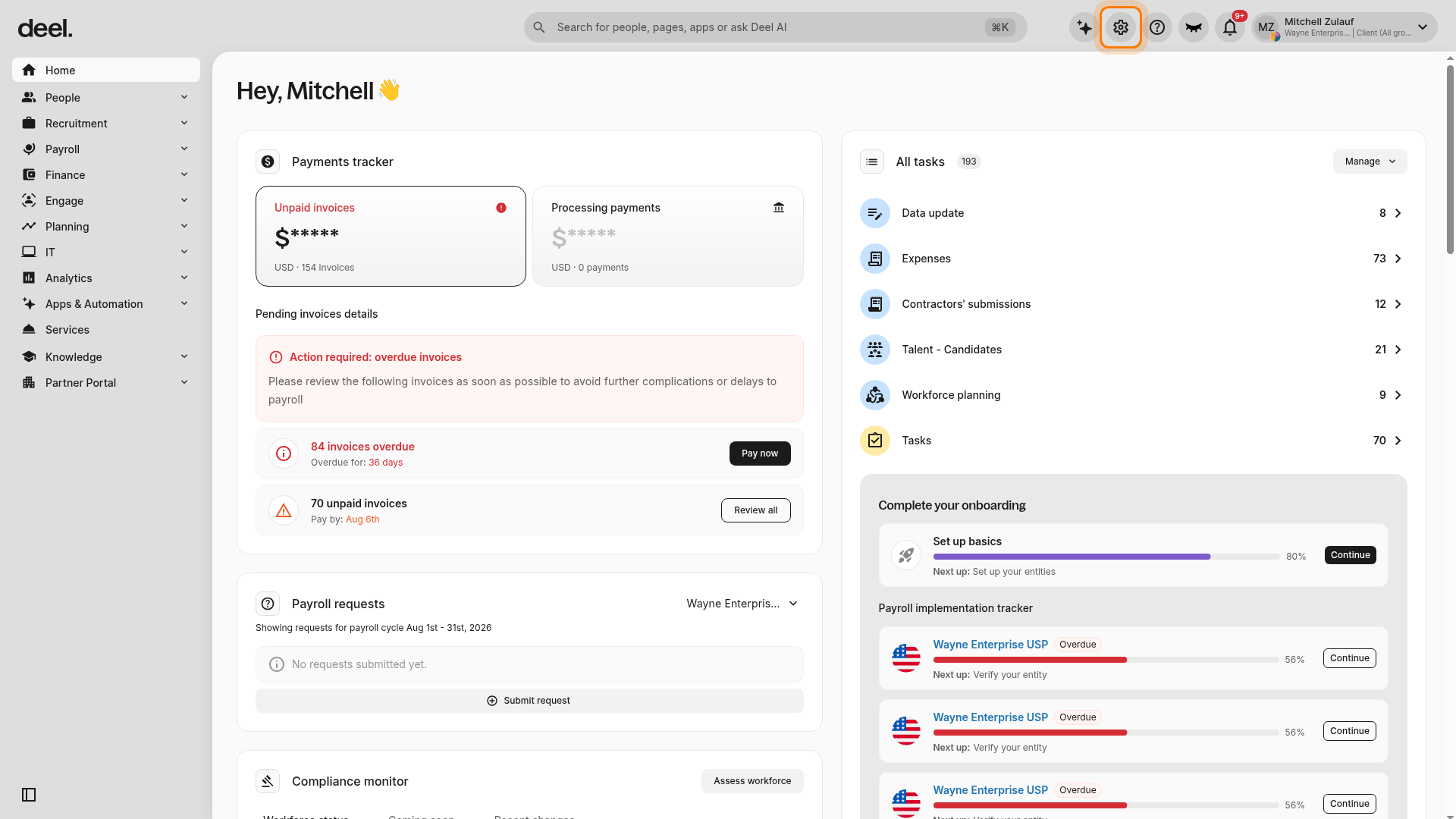
Deel: investigate the employee-to-finance workflow
Give Deel a fictional month’s work: add a recurring allowance, approve an expense, allocate both to a cost centre, then show the accounting result. Include a contractor invoice if contractors are part of the purchase. Ask which steps require a person to trigger, approve or correct them.
Ask the team to demonstrate the workflow before paying for a wider package. The Deel and Remote comparison can help you decide which services to price separately.
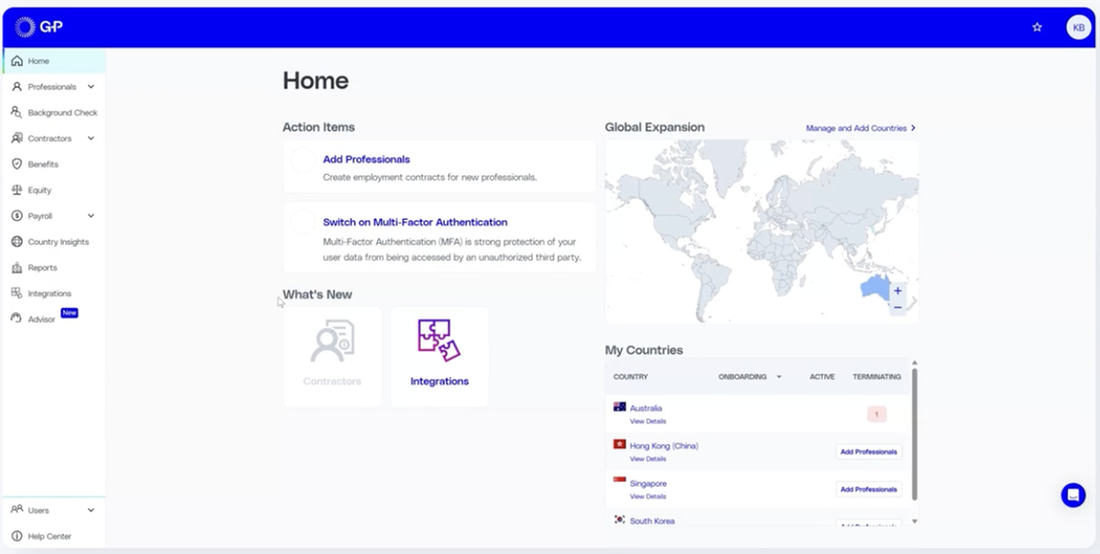
Ask for a work plan by country: who prepares the employment documents, who checks employee terms, who resolves payroll-history differences and who signs off readiness. A named commercial contact is helpful, but the operational owner matters when several countries are moving at once.
Ask each provider to name the local employer and explain how the employees would transfer. Compare those responsibilities in the Remote and G-P guide.
Oyster: compare benefits before the annual discount
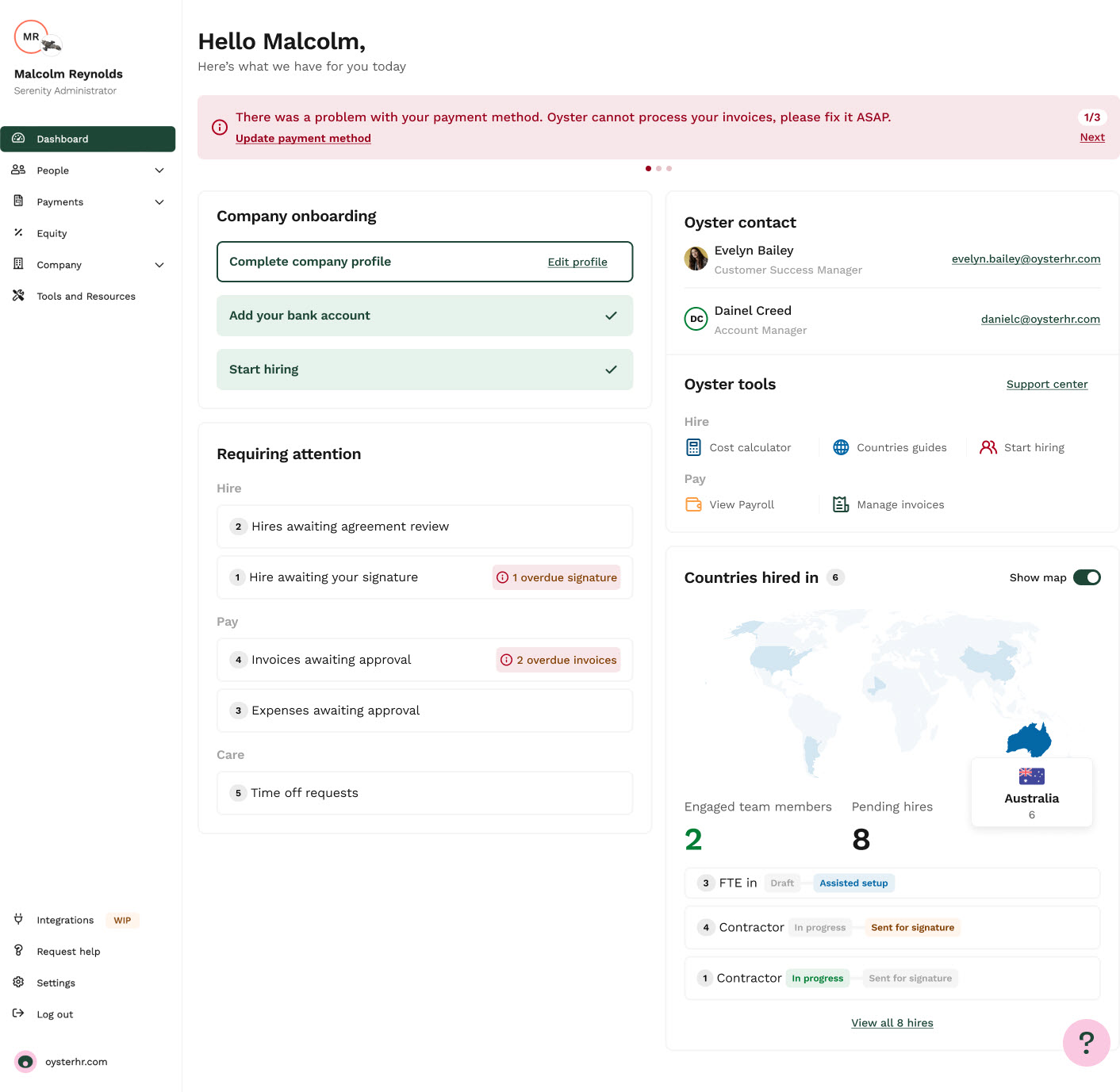
Before making an offer, ask each shortlisted provider for a candidate-facing benefits and leave summary for the actual country and role. It should distinguish statutory entitlements from optional benefits and show eligibility, coverage start dates, employee contributions and any waiting periods. Confirm who answers the employee’s questions and how they request leave or make a claim.
Oyster’s annual EOR seats can be reused for replacement hires, but payments are nonrefundable. Compare its written annual proposal with Remote’s annual and monthly offers using the headcount you expect to maintain.
Use the Remote and Oyster comparison to compare the benefit and billing terms for the same employee. Eliminate an offer if it cannot cover that employee in the required country.
Compare the service fee and the cash required
Public USD EOR service fees and the billing terms below were rechecked on 1 November 2026. Compare the same country, contract length, headcount and service scope; the monthly equivalent alone does not show the full commitment.
OptionProviderBest ForEOR fee from
Option 1
★★★★★3.8
Best For: Hiring through provider-owned entities in every countryCommercial point to check: USD 599 requires an annual contract; standard USD 699 is billed monthly on active usage. Annual commitment does not establish annual prepayment; confirm the invoice schedule, country offer and any reserve.
From USD 599
Per employee per month with an annual contract, or USD 699 per employee per month with monthly billing.
Best For: Using one onboarding process for hires across countriesCommercial point to check: Annual seats by quote; prepaid and non-refundable; unused seats may be reused
These figures exclude salary, employer contributions, benefit premiums and other applicable costs. Deel also documents a mandatory, country-dependent Employer Liability Cost.
Remote’s standard EOR reserve is typically one month of base salary and mandatory employer costs, excluding its management fee. A credit review can reduce or waive the standard reserve, while nonstandard employment terms can still require additional funds. Ask both providers how much cash you must post and when the unused balance will return.
Resolve these points before giving notice
1
Write down the improvement. Name the cost, workflow or service issue the new arrangement must solve and how you will check it.
2
Obtain the country offer. Confirm employee eligibility, proposed legal employer, benefits, start-date conditions and every fee.
3
Map the change. Have the appropriate local specialists confirm how service history, leave balances, insurance and any work authorization will be handled. Do not assume they transfer automatically.
4
Fund the overlap. Ask when final payroll, the new provider’s funding and the old reserve settlement fall due.
5
Approve payroll readiness. Reconcile employee and pay data, confirm cutoffs and give employees one clear contact for questions. Use the EOR switching checklist to assign each handover task.
If you cannot explain what will improve after those checks, keep evaluating. You can return to all EOR alternatives or use our EOR quote checklist to request comparable proposals.
Research and disclosure
We checked the linked public provider sources on 3 October 2026. Our assessment draws on our hands-on tests of each provider, with provider information used to confirm service details. Candidate selection and procurement advice are our editorial judgments. We may earn referral fees through introductions or links.